Is a Low-Histamine Diet Right for You? A Plain-Language Overview

Last updated: August 11, 2026
- Writing about functional nutrition since 2018, I can say histamine intolerance remains one of the most consistently misunderstood triggers I cover.
- A short list of fresh, minimally processed options is what remains.
- A pounding headache an hour after lunch.
- Waking up congested when allergy tests come back clean.
Skin flushing after dinner. A pounding headache an hour after lunch. Waking up congested when allergy tests come back clean. When those symptoms show up unpredictably — especially after meals — histamine intolerance is worth investigating, and the low-histamine diet is the elimination approach clinicians use to do exactly that.
Writing about functional nutrition since 2018, I can say histamine intolerance remains one of the most consistently misunderstood triggers I cover. This isn’t an allergy. Not celiac disease either. It’s a mismatch between how much histamine you’re taking in and how efficiently your body clears it. Honestly, that distinction matters enormously for treatment. The low-histamine diet isn’t a permanent lifestyle commitment — it’s a diagnostic tool, typically used for four to six weeks, to see whether symptoms ease when histamine load drops.
Talk to a registered dietitian or physician before starting any elimination diet. Histamine intolerance overlaps with other conditions, and self-diagnosing can delay proper treatment.
How Histamine Works (and Why Some People Can’t Handle It)
During allergic reactions, the immune system releases histamine — but histamine also lives in many foods, particularly fermented, aged, or leftover ones. In a healthy gut, the enzyme diamine oxidase (DAO) breaks down dietary histamine before it causes trouble. Some people produce less DAO due to genetics, gut inflammation, or medication side effects. Others have a secondary enzyme issue involving HNMT, which clears histamine inside cells.
Build-up happens fast when histamine accumulates faster than the body can clear it — and the symptoms that follow mimic allergies without involving any immune response. Common reports include:
- Flushing, hives, or itchy skin
- Headaches or migraines
- Nasal congestion or runny nose
- Digestive upset — cramping, diarrhea, bloating
- Rapid heart rate or blood pressure changes
- Fatigue or brain fog
Maddeningly vague, all of them. That vagueness is exactly why histamine intolerance is often a diagnosis of exclusion: other causes get ruled out first, then this one gets considered.
Eating on a Low-Histamine Diet: The Basics
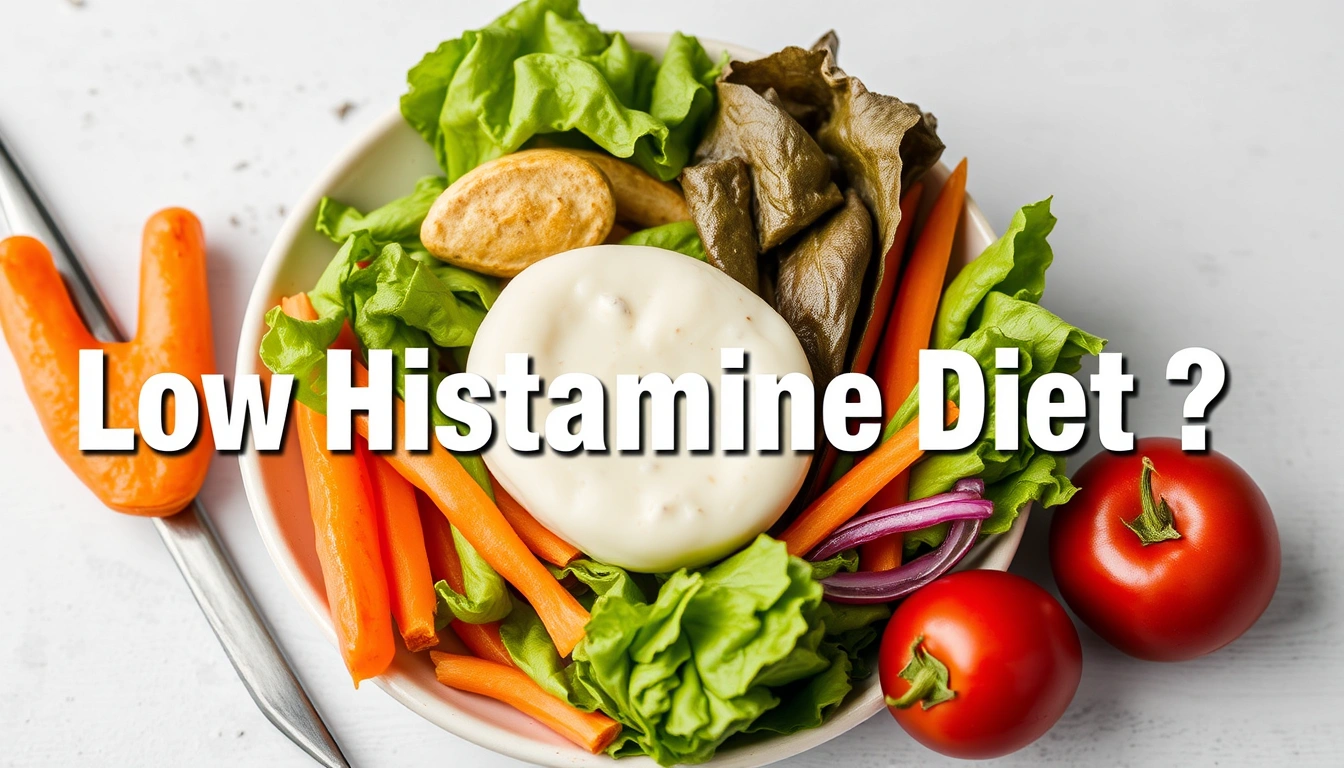
Avoid foods that are high in histamine, trigger histamine release, or block DAO — that’s the core principle. Fermented foods, aged proteins, alcohol, and certain fruits and vegetables all get cut. A short list of fresh, minimally processed options is what remains.
Foods to avoid or limit:
- Fermented and aged: sauerkraut, kimchi, kombucha, yogurt, kefir, aged cheese, salami, soy sauce, miso, vinegar (except white distilled)
- Alcohol: all types, but especially red wine and beer
- Fish and seafood: especially if not frozen immediately after catch — canned tuna, smoked fish, shellfish
- Leftover meat: histamine rises in cooked meat after a few hours in the fridge
- Certain vegetables: tomatoes, spinach, eggplant, avocado
- Certain fruits: citrus, strawberries, bananas (especially overripe), pineapple, papaya
- Nuts: walnuts, cashews, peanuts
- Chocolate and cocoa
- Processed foods with additives: preservatives, artificial colors, flavor enhancers
Foods generally tolerated:
- Fresh meat and poultry, cooked and eaten immediately or frozen right after cooking
- Most fresh fish if frozen at sea or eaten very fresh
- Eggs (sometimes — individual tolerance varies)
- Gluten-free grains: rice, quinoa, millet, oats
- Most fresh vegetables: leafy greens (except spinach), zucchini, broccoli, cauliflower, carrots, squash, sweet potatoes
- Low-histamine fruits: apples, pears, blueberries, mango, melon
- Non-dairy milk: coconut, rice, oat (unsweetened, additive-free)
- Olive oil, coconut oil
- Fresh herbs: basil, cilantro, parsley
Restrictive? Yes, genuinely. Convenience foods disappear. Most restaurant meals are off the table, and a lot of everyday flavor shortcuts go with them. Meal prep becomes critical because leftovers are risky — more on that below.
The Honest Challenges You’ll Face
Leftovers are a landmine. Even refrigerated, histamine accumulates in protein-rich foods as they sit. Daily fresh cooking becomes the expectation, or freezing portions immediately, or eating only just-cooked food. That’s a time and planning burden most other elimination protocols simply don’t impose.
The food lists conflict. Walk into this expecting clean, universal guidance and frustration arrives quickly. One resource marks eggs as safe; another lists them as a trigger. Spinach appears on some safe lists and most avoid lists. This inconsistency exists for a real reason: histamine intolerance is individual, and food histamine levels shift with freshness, processing, and storage. A food that tanks one person’s DAO may not touch another’s at all.
Social eating becomes complicated. Restaurants depend on batch cooking, aged ingredients, and sauces built on fermented bases. Explaining “nothing fermented and no leftovers” at a dinner party is awkward at best, and cross-contamination with high-histamine ingredients happens constantly in commercial kitchens.
The research base is thin. Compared to celiac disease or IgE-mediated food allergies, histamine intolerance lacks well-designed clinical trials and standardized testing protocols. Many mainstream doctors aren’t familiar with it. Working with a functional medicine practitioner or a dietitian who specializes in food intolerances may be necessary — well, depending on where you live and what’s accessible.
How to Actually Try This (the Reintroduction Phase Matters More)
The elimination phase typically runs four to six weeks. High-histamine foods come out, along with anything that degrades DAO — certain medications like NSAIDs and some antibiotics can interfere, so timing should be discussed with a doctor.
Track symptoms every day. A simple log works fine: date, meals, symptoms, severity. Clear improvement — fewer headaches, less flushing, better digestion — suggests histamine is a factor. Six weeks with no change? Histamine is probably not the primary issue.
Reintroduction is where real answers emerge. After the elimination window, one food goes back in at a time, with two to three days between each addition to catch reactions. Start with the foods missed most or suspected least. This phase reveals your personal tolerance threshold and which specific foods are problematic. Some people handle small amounts of aged cheese without issue but react sharply to red wine. Others tolerate one-day-old leftovers fine.
Reintroduction also prevents unnecessary long-term restriction. The goal was never to stay on a low-histamine diet forever — it’s to identify triggers and build something sustainable around them.
Who Should Skip This (and What to Try Instead)
Skip the low-histamine diet if:
- Other conditions haven’t been ruled out yet. Celiac, IBS, mast cell activation syndrome (MCAS), and small intestinal bacterial overgrowth (SIBO) can all mimic histamine intolerance. Get tested first.
- There’s a history of disordered eating. Restrictive elimination diets can trigger or worsen food anxiety and orthorexia. Working with both a therapist and a dietitian is important here.
- Pregnancy or breastfeeding is a factor. Nutrient needs are elevated, and eliminating entire food groups without supervision carries real risk.
- Symptoms are rare or inconsistent. Clearly tied to a specific allergen? An elimination diet is overkill.
Alternative approaches:
DAO supplements taken before meals help some people — though evidence is limited and product quality varies considerably. Quercetin and vitamin C are sometimes recommended as natural antihistamines; individual results vary, and neither replaces medical advice.
Gut health is worth addressing directly. Conditions like leaky gut or gut dysbiosis may impair DAO production; healing the gut lining with professional guidance might restore tolerance over time.
The Verdict: When This Diet Makes Sense
Choose a low-histamine elimination diet when unexplained symptoms flare after eating — especially flushing, headaches, or digestive upset — and common allergies and intolerances have already been ruled out. Most useful when supervised by a dietitian who can protect nutritional adequacy and guide the reintroduction phase properly.
Skip it when symptoms clearly point elsewhere, when daily fresh cooking isn’t realistic, or when restrictive eating poses a psychological risk.
A tool, not a cure. This diet maps your triggers. The next steps — permanent avoidance of certain foods, rotating them, or addressing underlying gut issues — depend entirely on individual tolerance and goals.
The American Academy of Allergy, Asthma & Immunology provides resources on food intolerances and when to seek specialist care. For gut health and enzyme function, the International Society for the Study of Fatty Acids and Lipids has published research on inflammatory pathways that may relate to DAO activity, though direct histamine intolerance studies remain limited.
FAQ
How long does it take to see results on a low-histamine diet?
Most people notice symptom changes within two to four weeks when histamine is a factor. No improvement after six weeks, and histamine is likely not the primary trigger.
Can I eat leftovers if I freeze them immediately?
Freezing halts histamine accumulation, so yes — cooked food frozen right away and reheated once is generally tolerated better than refrigerated leftovers.
Is histamine intolerance the same as a food allergy?
No. Food allergies involve an immune system response (IgE antibodies). Histamine intolerance is an enzyme deficiency or imbalance — the body simply can’t break down histamine fast enough.
Do antihistamine medications help with histamine intolerance?
Sometimes. H1 and H2 blockers (like cetirizine or famotidine) may reduce symptoms for some people, but they don’t address the root enzyme issue. Discuss this with your doctor.
Can someone stay on a low-histamine diet long-term?
Not ideal. The diet is restrictive and can produce nutrient gaps if followed indefinitely without professional guidance. The goal is identifying triggers and building a personalized, sustainable plan that includes as many foods as tolerated.