Low-Histamine Snack Ideas: Safe Between-Meal Options

Last updated: November 05, 2026
Key Takeaways
- A simple formula can help: one fresh starch, one tolerated fruit or vegetable, and one small source of fat or protein.
- Grab-and-go snack ideas are the ones you can pack in 5 minutes and carry without a cooler.
- Simple, portionable protein snacks are often easier to manage than heavily processed options.
- Crunchy low-histamine snacks can feel more satisfying even when the ingredient list stays short.
Low-histamine snack ideas can help with between-meal hunger without turning snack time into a gamble. The safest options are usually simple, freshly prepared, and built from a short ingredient list, with a bias toward foods that are plain rather than packaged, aged, fermented, or heavily seasoned. For more on general food-trigger management, see the low-histamine meal planning guide and the histamine intolerance overview.
The low-histamine snack formula that works
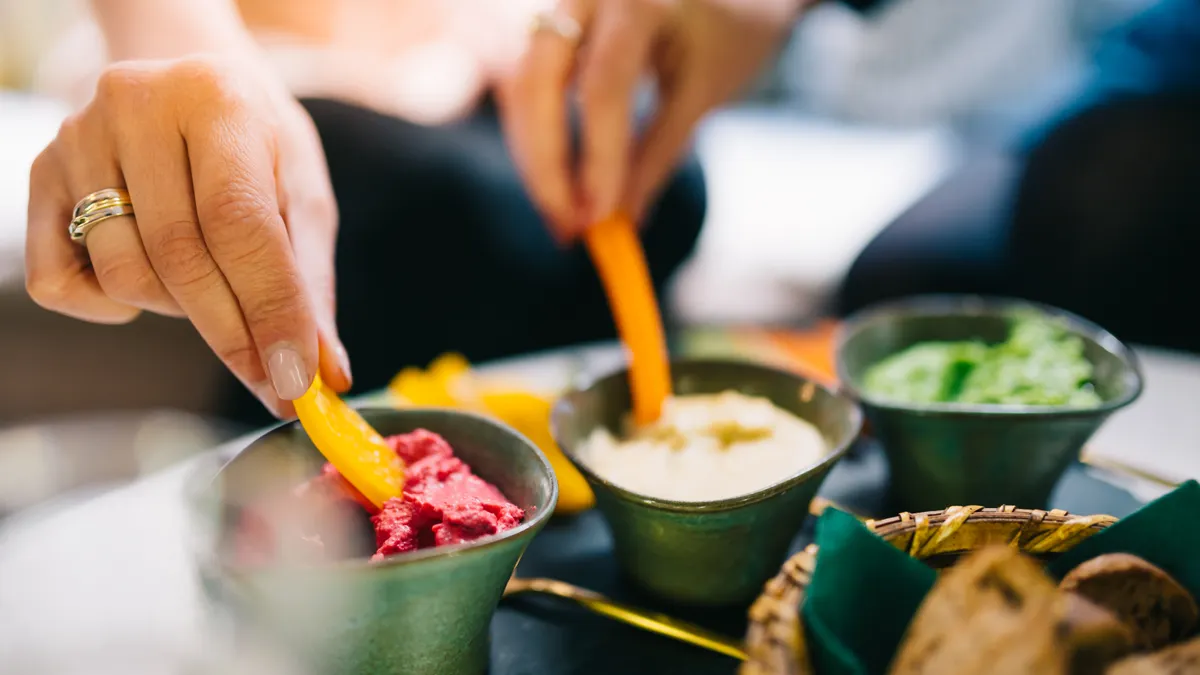
The low-histamine snack formula that often works is one fresh starch, one tolerated fruit or vegetable, and one small source of fat or protein. That sounds plain, but it is the point: a snack should bridge 2 to 4 hours without adding a lot of variables.
I treat snack planning as a filter, not a recipe hunt, but anyone with complex symptoms should confirm choices with a clinician or dietitian. Start with foods that are easy to portion, easy to identify, and easy to finish in one sitting. Rice cakes, apple slices, cucumber, pumpkin seeds, and sunflower seed butter are useful because they are recognizable and easy to portion into 1-serving snacks without much prep. If you need a snack at a desk, in a car, or after a long commute, the most useful options are the ones that survive 30 to 60 minutes in a bag without turning messy.
Here is the simplest way to build a snack that is more likely to stay low histamine:
- Choose one base, such as 2 plain rice cakes, 1 small apple, or 1 cup of cucumber slices. The result is a snack that is easy to portion and easy to repeat.
- Add one partner food, such as 1 to 2 tablespoons of sunflower seed butter or a small handful of pumpkin seeds. The result is more staying power than fruit or starch alone.
- Keep the ingredient list short: 2 to 3 items beats a long label with gums, flavorings, vinegar, or spice blends. The result is fewer unknown triggers.
- Eat the snack soon after preparing it, ideally within the same hour. The result is less time for leftovers to sit around and become a problem.
That structure is not exciting, but it is practical. A snack that is boring and predictable is often better than one that is novel and risky. For readers who want a broader framework for the rest of the day, the hub on low-histamine meal planning and practical eating can carry the bigger picture without forcing every snack to do meal-level work. The histamine intolerance overview is a useful starting point, and the low-histamine recipes collection can help when you want more than a snack.
Low-histamine snack ideas for grab-and-go days
Low-histamine snack ideas for grab-and-go days work best when they are dry, firm, and not dependent on a dressing or dip.
A plain apple is one of the most useful portable snacks because it needs almost no prep. Slice it just before leaving if you can, or take it whole if your schedule is unpredictable. If browning bothers you, a portable container with a tight lid is better than trying to rescue the fruit with acidic add-ins that may not suit a low-histamine approach. One medium apple with 1 tablespoon of sunflower seed butter gives you a snack that is still simple but less one-note.
Rice cakes are another strong option because they are light, shelf-stable, and easy to top at the last minute. Two plain rice cakes with sunflower seed butter is a low-effort snack that travels well in a lunch bag. The main trade-off is that rice cakes can feel airy, so they are better paired with something substantive if you know you get hungry fast.
Pumpkin seeds also fit the grab-and-go category, but they are best used in small portions. A 1/4 cup portion is enough to be useful without turning the snack into a meal. They add crunch and some staying power, though they are not the best choice for anyone who finds seeds hard to digest.
Cucumber is useful when you want something fresh and clean-tasting. Pack it as sticks or thick slices so it does not collapse in a container. On its own, cucumber is more of a volume snack than a hunger-stopper, so it usually works best next to rice cakes or a seed butter. If you need something for a short gap of 1 to 2 hours, cucumber can be enough; for a longer gap, it usually is not.
A hard rule that helps here: do not rely on mystery snack bars, mixed trail mixes, or “natural” bites with a long label. Those products often hide ingredients that are common troublemakers in low-histamine eating, and they are rarely worth the uncertainty when a plain snack would do.
What are the best low-histamine protein snacks?
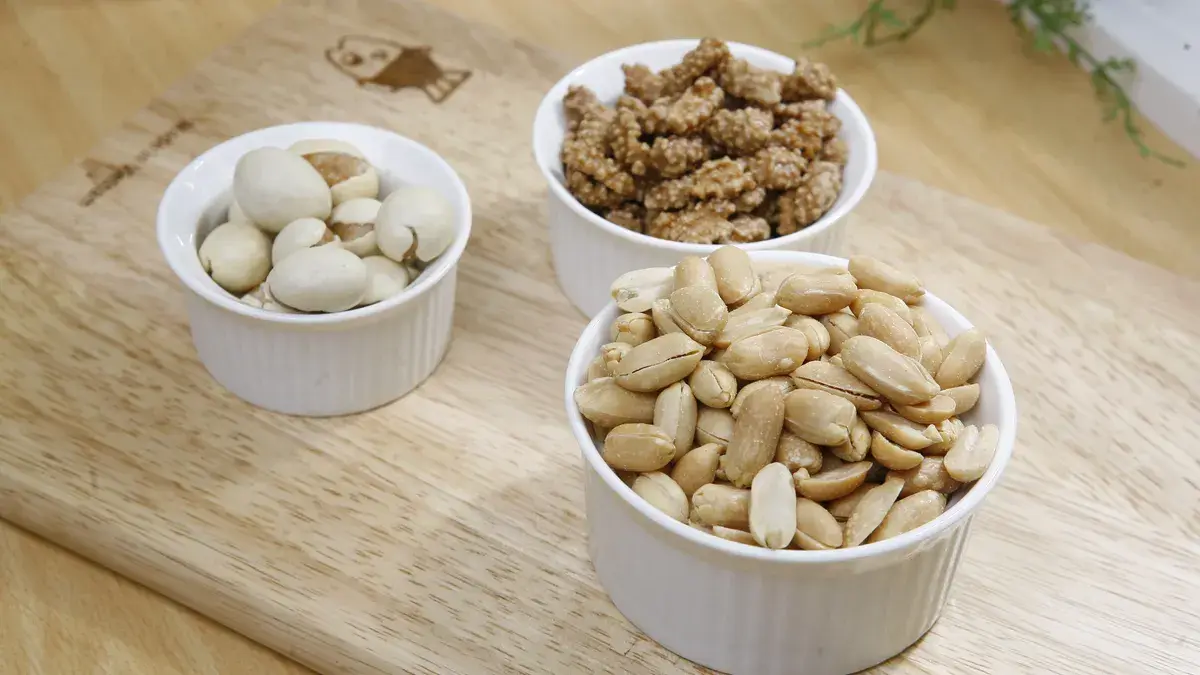
The best low-histamine protein snacks are simple foods you can portion in minutes and eat without a lot of processing. For many people, sunflower seed butter and pumpkin seeds are the most practical starting points, because they are easy to pair with fruit or rice cakes and do not require cooking.
Protein matters because many between-meal crashes are actually hunger that shows up as irritability, shakiness, or a quick dip in concentration. A snack with only fruit may satisfy the mouth but not the body. A snack with 1 to 2 tablespoons of sunflower seed butter or a small handful of pumpkin seeds usually holds longer.
A few protein-forward combinations are worth keeping on a short list:
- 2 rice cakes with 1 to 2 tablespoons sunflower seed butter
- 1 apple with sunflower seed butter for dipping
- 1/4 cup pumpkin seeds with cucumber sticks
- Cucumber slices topped with a thin spread of sunflower seed butter if you want contrast more than volume
The trade-off is that seed-based snacks are not for everyone. Seeds can be filling, but they can also feel too dense if your digestion is already touchy. They are also easy to overdo. A “healthy handful” can turn into a very large snack fast, and that can backfire if you are trying to keep between-meal eating light.
This is also where a lot of generic advice goes wrong. A list that throws nuts, yogurt, protein bars, and jerky into the same bucket is not helping a low-histamine reader. Nuts are not universally tolerated, fermented dairy is often a problem, and jerky is a processed meat with a lot of risk attached to curing, seasoning, and storage. If you want a protein snack that stays closer to the middle of the road, keep the ingredients obvious and the serving size modest.
For a reader who wants a clearer benchmark, a snack that includes one clearly measured protein portion—such as 1 tablespoon of seed butter or 1/4 cup seeds—is easier to judge than a handful of mixed ingredients. It is also easier to repeat, which matters more than novelty.
Crunchy low-histamine snacks that do not feel bland
Crunchy low-histamine snacks are worth prioritizing because texture helps a snack feel satisfying even when the ingredient list stays short. Crunch can make a simple snack feel like a real break instead of a compromise.
Rice cakes are the obvious crunchy option, but they are not the only one. Cucumber provides a fresh crunch, especially if you cut it into spears or thick coins. Pumpkin seeds add a denser crunch with more staying power. Together, these three foods cover most of the “I want something crispy, cold, or snacky” urge without depending on chips or crackers with long ingredient lists.
A practical crunchy snack rotation looks like this:
- Plain rice cakes alone when you want very light crunch.
- Rice cakes plus sunflower seed butter when you need crunch and substance.
- Cucumber sticks with a measured seed portion when you want something fresh.
- Pumpkin seeds by themselves when you need a dry snack that keeps well for an afternoon.
- Apple slices if you want crunch with a sweeter finish.
The biggest mistake with crunchy snacks is assuming anything crisp is automatically safe. Many packaged crackers, pretzels, flavored rice snacks, and seed mixes include yeast extract, vinegar, spice blends, or preservatives that can make the ingredient list harder to trust. If a package has a long panel, it is rarely the best place to start.
There is also a timing issue. Crunchy snacks are easiest to keep safe when they are eaten soon after opening or assembling. A sliced cucumber that sits in liquid for half a day is not the same snack. A rice cake that has absorbed moisture from a spread is not as crisp, and that changed texture often signals a changed eating experience even if the food is still technically fine.
If you want crunch without a lot of risk, keep it plain and keep it fresh.
Sweet low-histamine snack ideas for when you want something gentle
Sweet low-histamine snack ideas are usually the easiest way to stop a sugar craving without reaching for a packaged dessert. The safest sweet snacks tend to be simple fruit-based options with one extra ingredient for balance.
Apple is the clearest example. A whole apple, apple slices, or apple wedges with sunflower seed butter gives you sweetness, fiber, and enough fat to slow the snack down. It is not fancy, but it works because it covers the sweet craving and the hunger underneath it.
Other sweet-leaning options can stay equally simple:
- Apple slices with sunflower seed butter
- A whole apple with a small portion of pumpkin seeds on the side
- Rice cakes topped with seed butter and a few thin apple slices
- Cold cucumber on the side if you want sweetness to feel less cloying
What does not work as well is trying to “make dessert” out of low-histamine snacks with a long ingredient list. Cinnamon-heavy mixes, flavored spreads, dried fruit blends, chocolate coatings, and syrupy toppings may be fine for other diets, but they turn a controlled snack into a variable one. That is a poor trade if the main goal is symptom control between meals.
A plain sweet snack also helps if you are sensitive to rich foods later in the day. Many people tolerate a small sweet snack better than a heavier one at 3 p.m., especially if dinner is still a few hours away. The limit is that fruit alone often burns off quickly. If you know that happens to you, pair the fruit with a measured fat or seed portion rather than doubling the fruit.
The cleanest judgment here is simple: choose a sweet snack for satisfaction, not for excitement. If it needs lots of extras to feel edible, it is probably the wrong snack for a low-histamine day.
Packaged snacks: what to trust and what to skip
Packaged snacks can work on a low-histamine diet, but only when the label is short and the ingredients are familiar. The safest packaged choices are usually plain rice cakes, plain seeds, and single-ingredient items with minimal processing.
That does not mean every package is equal. A bag of plain pumpkin seeds is one thing. A flavored snack mix with seasonings, acids, oils, and natural flavors is another. The label may still look tidy, but the ingredient list is where the risk lives. If the package contains vinegar, yeast extract, soy sauce, fermented ingredients, “spices” without detail, or long flavor systems, I would not treat it as a default snack.
The best filter is to ask three questions before the snack goes in the cart or bag:
- Can I identify every ingredient at a glance?
- Is the food close to its original form?
- Will I eat it soon after opening, rather than letting it sit for days?
If the answer is no to any of those, it is a weaker choice. This is especially true for bars, baked crisps, and savory snacks that depend on flavoring to be appealing. Those products often solve the taste problem while creating a tolerance problem.
There is a fair trade-off, though. Packaged snacks are useful when travel, work, or school makes fresh prep impossible. A shelf-stable snack is better than skipping food and getting overly hungry, especially if long gaps make symptoms worse. For many people, the answer is not “never buy packaged snacks.” It is “buy fewer of them, and choose the plainest ones.”
The American Academy of Allergy, Asthma & Immunology notes that histamine intolerance symptoms can overlap with other conditions, and a review indexed in PubMed also supports the idea that responses vary widely. Those are background resources, not shopping lists, and they point to the same practical rule: simpler foods are easier to manage. See also the AAAI patient information on histamine intolerance and the PubMed search results for low-histamine diet reviews.
How to build a 3-snack rotation for the week
A 3-snack rotation is the easiest way to stop overthinking between meals. Pick 3 combinations, repeat them for a week, and keep the ingredients to 2 or 3 items each.
A useful rotation might be:
- Snack 1: apple + sunflower seed butter
- Snack 2: rice cakes + sunflower seed butter
- Snack 3: cucumber + pumpkin seeds
That gives you variety without forcing you to relearn a new snack every day. It also keeps shopping and prep simple without turning this page into a grocery list. If you do best with routine, repetition is a feature, not a flaw.
The point of a rotation is not to be clever. It is to learn what your body accepts on a normal weekday, at ordinary hunger levels, in ordinary portions. Keep notes on what feels steady for 2 to 4 hours, what feels too light, and what seems to create symptoms. A snack that works once but leaves you shaky the next time is not a reliable option, no matter how clean the ingredient list looks.
This is where many people make the same mistake: they keep changing snacks before they have learned anything. That costs time, money, and confidence. Instead, change one variable at a time. Swap apple for cucumber, or rice cakes for seeds, but do not change the base, the topping, and the timing all at once.
Who this approach is not for: anyone who needs a highly individualized medical diet and has already been told to follow a more restrictive plan should confirm snack choices with a clinician or dietitian. Histamine tolerance can overlap with other food sensitivities, and that makes blanket advice less useful than a tailored plan.
What snacks are low histamine?
Plain, simple foods are the safest starting point for low-histamine snacks. Rice cakes, apple, cucumber, pumpkin seeds, and sunflower seed butter are common options because they can be eaten in small portions and combined without much processing. The best snacks are usually fresh, short-ingredient, and easy to finish soon after preparing them.
Drafted with AI; not yet reviewed by a person.