Last updated: November 05, 2026
Key Takeaways
- Keep low-histamine lunches plain, portable, and eaten before they sit too long.
- Fast cooling, tight sealing, and simple ingredients help lunches stay usable by noon.
- Rice, fresh poultry, and crisp vegetables are the easiest lunch bases; acidic dressings and aged foods can complicate them.
- Common pitfalls include overusing sauces, packing food too warm, and leaning on old leftovers.
Low-histamine lunch ideas for work and school work best when they are simple, freshly assembled, and easy to eat cold or warm by noon. The safest lunchbox choices are often plain rice, quinoa, cucumber, chicken breast, and olive oil, then packed the same day or frozen right after cooking if they need to be stored longer. For practical background on histamine intolerance, see Cleveland Clinic and the NHS. Cleveland Clinic and NHS
What low-histamine lunch ideas need to do at work or school
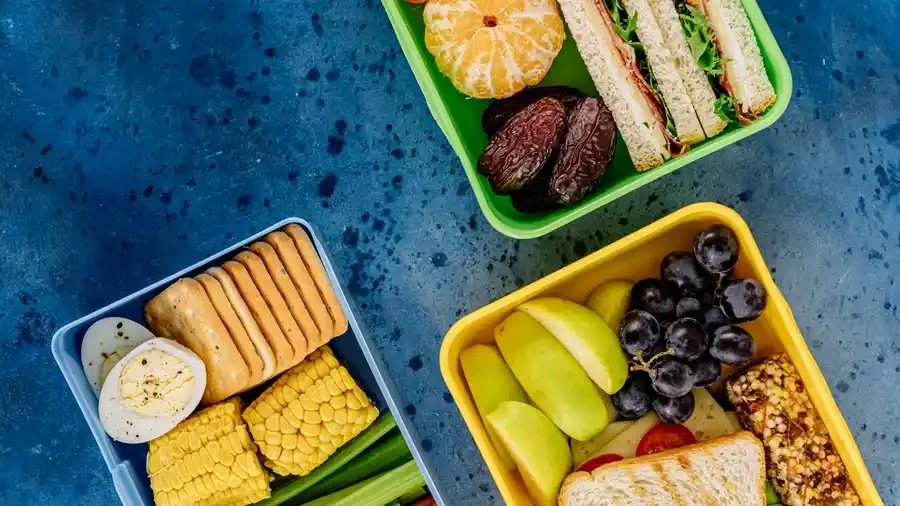
Low-histamine lunch ideas need to stay plain, travel well, and avoid sitting around long enough to become a problem. That means the lunch should be made from ingredients you already know you tolerate, packed in a way that keeps texture acceptable, and chosen for the setting: a desk, a classroom, a cafeteria, or a lunch break with only a microwave.
This topic is narrower than “healthy lunch” in general. A salad can be healthy and still be a bad choice here if it includes vinegar, aged cheese, tomatoes, or leftover protein that has sat in the fridge for days. The job of this page is not to build a perfect diet; it is to help you get through midday with something practical and lower-risk.
A useful rule is to think in three layers:
- a base that holds up for 4 to 6 hours in a lunch bag
- a protein that is fresh or very recently cooked
- a vegetable or fruit that is usually tolerated cold
Rice and quinoa are the most reliable bases because they are bland, filling, and easy to portion. Cucumber brings crunch without needing special prep. Chicken breast is useful because it can be cooked plainly, sliced, and eaten cold or reheated. Olive oil gives moisture without the sharp edge that vinegar-based dressings can bring.
Some generic lunch advice misses the real issue: histamine rises with time and handling, not just with ingredient type. That is why “leftover-safe” matters here. If a meal was cooked on Sunday and packed on Wednesday, the issue is not whether it looks fresh. The issue is whether the ingredients and storage time still fit your tolerance. If your symptoms are sensitive or unpredictable, a registered dietitian or clinician familiar with histamine intolerance can help you narrow your own trigger pattern. The NIAID food allergy overview also explains why symptom patterns can vary by person.
7 low-histamine lunch ideas you can pack without much fuss
Low-histamine lunch ideas can be as plain as rice, chicken breast, and cucumber, as long as the lunch is built for the setting and eaten the same day or from a very fresh batch. These seven lunches cover cold lunches, thermos meals, and desk lunch options without leaning on sauces that usually complicate the picture. For meal planning basics, see meal prep basics and easy school lunches.
-
Chicken rice bowl with cucumber
- Use 1 cup cooked rice, sliced chicken breast, and peeled cucumber.
- Drizzle with olive oil and a pinch of salt if you use salt well.
- Pack it in a shallow container so the rice cools quickly and the chicken stays easy to spoon.
- This works well for a desk lunch because it tastes fine cold and does not need dressing.
-
Quinoa chicken salad box
- Mix cooked quinoa with diced chicken breast and cucumber ribbons.
- Add olive oil just before packing.
- Keep the dressing minimal; a heavy sauce often overwhelms the clean flavor that makes this lunch workable.
- This is a strong choice when you need something that looks like a salad but does not rely on acidic ingredients.
-
Rice and cucumber lunch with turkey slices
- Layer plain rice, cucumber, and freshly cooked or very fresh turkey slices.
- Use a small separate container for olive oil if you want to add it at lunch.
- This is a practical packed lunch for school because it is easy to portion into smaller servings.
- The drawback is dryness if you skip the oil.
-
Thermos chicken and rice
- Heat the rice and chicken breast thoroughly, then place them in a preheated thermos.
- Pack within a 1- to 2-hour window after cooking, not after a long room-temperature pause.
- This is one of the easiest hot options for work.
- The trade-off is texture: rice softens more in a thermos than in a container.
-
Quinoa bowl with sliced cucumber and olive oil
- Keep it meat-free for days when you want a lighter lunch.
- Add a plain protein only if you know you tolerate it.
- This is useful when you need a cold lunch that can be assembled in under 5 minutes.
- It is less filling than the chicken versions, so it may not suit a long afternoon.
-
Chicken lettuce cups with rice on the side
- Use plain lettuce leaves as a wrapper and keep rice in a separate box.
- Add cucumber for crunch.
- This works well when you want a lunch that feels less heavy than a bowl.
- The downside is mess; it may not be ideal for eating at a crowded desk.
-
Simple quinoa-and-chicken jar lunch
- Put quinoa at the bottom, then chicken, then cucumber on top.
- Keep olive oil separate until you are ready to eat.
- A wide-mouth jar keeps the layers intact for 4 to 6 hours in a cooler bag.
- This is more compact than a bowl, but it can be annoying if you dislike mixing food in a narrow container.
These ideas are not meant to be fancy. They are meant to survive a school bag, a 9-to-5 desk, or a short commute without becoming mushy, sour, or overloaded with ingredients.
How do I pack a low-histamine lunch so it still tastes good at noon?
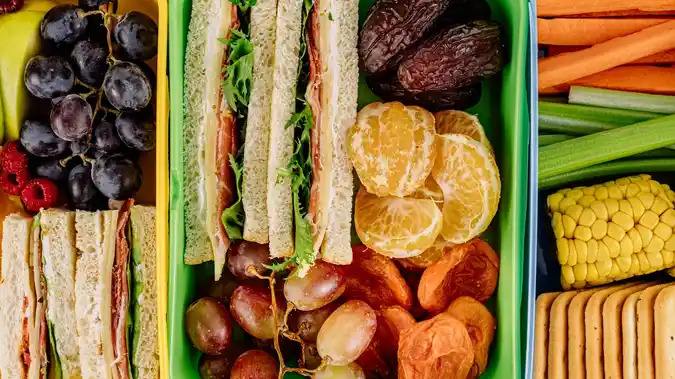
A low-histamine lunch packs best when it is cooled fast, sealed well, and kept simple enough to still taste like food at noon. The process matters as much as the ingredients, because a perfect ingredient list can still fail if the lunch sits warm for too long.
Use this routine:
- Cook the grain and protein first, then spread them in a shallow layer for quick cooling. A 1-inch layer cools faster than a deep pile and keeps the texture cleaner.
- Slice cucumber or another crisp vegetable only after the main items are cool enough to pack. That keeps the vegetable from turning wet and limp.
- Build the lunch in a lidded container with the driest items on the bottom if you want less condensation. This helps rice or quinoa stay separate instead of turning sticky.
- Pack olive oil in a small container if you plan to add it later. A teaspoon or two is usually enough to moisten a bowl without making it greasy.
- Put the lunch into an insulated bag with an ice pack if it will sit for several hours before eating. Cold transport matters more for texture than for appearance.
- If the lunch is hot, use a thermos and fill it with boiling water for a few minutes before adding the food. That improves heat retention and makes a plain chicken-and-rice lunch feel less dry.
The container should match the lunch. A square meal-prep box is good for rice bowls. A wide-mouth thermos suits soup-like rice meals or hot quinoa. A jar is fine for layered lunches but awkward for mixing at the table. If you need to eat fast between classes, the easiest container is usually the one that opens with one hand and does not require a fork hunt.
One point many lunch lists ignore is portion size. A lunch that is too large tends to linger, and a lunch that lingers tends to get less appealing if you are trying to avoid highly handled food. Keep it to a size you can finish in one break. That is more realistic than packing a huge “perfect” box and only eating half of it cold at 3 p.m.
Which ingredients make lunch easier, and which ones usually complicate it?
Plain grains, fresh-cooked poultry, and crisp vegetables make lunch easier; acidic dressings, aged foods, and long-stored leftovers usually complicate it. That simple split saves a lot of guesswork.
The most dependable building blocks are:
- Rice: bland, filling, and easy to reheat or eat cold
- Quinoa: slightly more textured, good when you want variety
- Cucumber: hydrating, crunching, and easy to pack raw
- Chicken breast: neutral and easy to portion
- Olive oil: useful for moisture without a sharp flavor
What often causes trouble is not one ingredient alone but the combination of age, acidity, and toppings. A rice bowl with fresh chicken breast and olive oil is usually easier to manage than a “healthy” salad loaded with vinegar, pickled vegetables, and leftover fish from two days ago. Tomatoes, citrus-heavy dressings, soy sauce, fermented condiments, and cured meats are common complications in low-histamine eating, but it is best to consult a clinician or dietitian familiar with histamine intolerance before making strict personal rules. See Cleveland Clinic and NHS for general guidance.
There is also a texture problem. Soft, wet, or strongly flavored foods can make a lunch feel off even before symptoms enter the picture. That matters for school lunches especially, where the meal may sit in a backpack for a few hours before lunch period starts. If a food gets slimy, sour, or stale by 11:30 a.m., it is a poor candidate for a repeat lunch.
This is also where leftover-safe lunches need honesty. Some people tolerate freshly cooked chicken breast and rice well but react badly to the same meal after 24 or 48 hours in the fridge. Others do fine with leftovers if they are cooled promptly and used soon. That variation is real. It means the safer default is often to cook small amounts more often, then adjust only after you know your own tolerance. General advice from a dietitian familiar with histamine intolerance is more useful here than a blanket rule.
For broader planning, this page fits into the larger low-histamine meal planning and practical eating approach without trying to replace it. If you want more lunch rotation ideas, see school lunch rotation and meal prep containers.
What are the most common mistakes with work and school lunches?
The most common mistakes are using sauces to rescue bland food, packing food too warm, and relying on leftovers that have already spent too long in the fridge. Each one can cost you taste, texture, or tolerance.
The first mistake is overbuilding the lunch. A box with eight ingredients sounds smart, but it often backfires. More ingredients mean more chances for one item to be a problem. A lunch with rice, chicken breast, cucumber, and olive oil is easier to troubleshoot than a bowl with six toppings and a dressing you cannot quite identify.
The second mistake is thinking a “cold lunch” can sit anywhere. A lunch that travels for 4 hours in a warm backpack is not the same as one that lives in a chilled lunch bag. If the meal needs to travel, an insulated bag and a cold pack are not optional extras; they are part of the lunch design.
The third mistake is choosing recipes that depend on acid. Vinegar-heavy dressings, pickled onions, or lemon-forward sauces can make a lunch taste sharp and can also narrow the margin for tolerance. If you want brightness, a tiny amount of salt and olive oil is safer than trying to force a vinaigrette into every box.
The fourth mistake is packing foods that look neat but eat badly. A rice bowl piled with wet vegetables often turns gummy by lunch. A jar lunch can become annoying if you need to stir it at a tiny desk. A thermos meal can go mushy if it is too liquid-heavy.
The fifth mistake is assuming all school lunches need to be “fun.” That pressure leads to substitutions that do not actually help. A plain chicken breast and rice lunch is not exciting, but it is often more realistic than a complicated themed lunch that the child or adult refuses to eat. The goal is not novelty. The goal is a lunch that gets eaten.
How can I make leftover-safe lunches without guessing too much?
Leftover-safe lunches work best when you keep the leftovers short, plain, and tightly handled from the start. That means cooking small batches, cooling them promptly, and using them soon rather than letting them drift for days.
If you want to use leftovers, make the first meal with lunch in mind. Cook plain chicken breast, rice, or quinoa in an amount you can finish within a day or two. Move it out of the cooking pan and into storage as soon as it is comfortable to handle. Use a clean container with a tight lid. Then pack what you need for the next day, not the next week.
This is the place where honesty matters: leftover-safe does not mean leftover-safe for everyone. Some people can handle a box made from yesterday’s rice and chicken breast. Others notice symptoms when the same food has aged only once. If you already suspect that leftovers are a trigger, do not try to force them into your lunch routine. Freshly cooked food is the safer bet.
A smart compromise is to freeze single portions of rice or chicken breast soon after cooking, then thaw only what you need. That gives you a fresh-tasting base without needing to cook from scratch every morning. It is also a better fit for work lunches than a refrigerator-based routine that leaves food waiting too long.
For thermos meals, leftovers are easier to use if they are reheated fully before packing. The food should be hot enough to stay hot, not just warm enough to feel comfortable. If you are unsure about how you tolerate reheated food, a dietitian can help you sort out whether the issue is storage time, ingredient choice, or the reheating step itself.
How do I build a week of low-histamine lunches without repeating myself?
A simple rotation of 3 bases and 2 proteins gives you enough variety for the week without turning lunch into a project. The easiest pattern is rice on some days, quinoa on others, then chicken breast as the main protein and cucumber as the constant fresh element.
A practical rotation could look like this:
- Day 1: rice, chicken breast, cucumber, olive oil
- Day 2: quinoa, chicken breast, cucumber
- Day 3: thermos rice and chicken
- Day 4: quinoa bowl with cucumber and oil
- Day 5: rice and chicken lettuce cups
That setup avoids the trap of needing a new recipe every day. It also limits the number of ingredients you need to keep track of. If a food seems uncertain, leave it out for a week and see whether the simpler lunch is easier to handle.
Drafted with AI; not yet reviewed by a person.