Last updated: November 05, 2026
Quick answer: yes, you can reheat low-histamine food more than once, but for many people the practical limit is once, and some dishes are better handled more conservatively. Each extra cycle raises the chance that the food sits too long in the danger zone, gets dried out, or becomes less predictable in how it affects you. The safer move is to portion leftovers before storage, reheat only what you plan to eat, and, if you are managing symptoms or a medical condition, consult a registered dietitian or other qualified professional. FoodSafety.gov and the USDA recommend keeping leftovers at 40°F / 4°C or below and reheating them thoroughly before serving.
Low-histamine eating is less forgiving than ordinary leftovers advice. The issue is not just taste. It is time, temperature, and how long a cooked food has been exposed to conditions that can let histamine rise. If you want the short answer: once is the practical limit for most people, especially for fish, meat, rice, stews, and mixed dishes. If you need a broad food-handling overview beyond this question, the hub on low-histamine cooking, storage, and food handling is the better next stop.
The answer in plain English: reheated food is not a free reset
Reheated food is best treated as a dish with one safe reheating cycle, not an item you can keep warming over and over. The first reheat should bring the food back to a steaming-hot state; after that, repeated reheating gives you more time in the temperature range where bacteria can multiply and where histamine control gets shakier. If you have a medical reason to be especially cautious, consult a registered dietitian or other qualified professional.
That matters because low-histamine eating is about reducing the chance that food changes while it sits. A food container in the fridge at 4°C or below is still only a holding step, not a time machine. Once the food is cooked, cooled, and reheated, the clock keeps moving. Reheating does not remove histamine that may already be present, and it does not make old leftovers “fresh” again.
The practical rule is simple: cook once, cool promptly, store in a food container, then reheat only the portion you will eat. If you have a family-style pan of soup or a tray of chicken, divide it into single-meal portions before chilling. That one habit matters more than fancy equipment. A microwave, stovetop, or oven can all work; the wrong approach is reheating the same batch three times because only a spoonful was needed.
There is one exception worth naming. If a dish was kept cold the whole time, portioned cleanly, and reheated once to a safe serving temperature, some people can tolerate the leftovers fine. That does not mean double reheating is smart. It means the food may still be usable if handled tightly. For anyone who reacts strongly, the margin for error is small, and “probably fine” is not a good standard.
Why repeated reheating is a problem for low-histamine eaters
Repeated reheating is a problem because each cycle adds time, and time is the enemy here. Histamine can build in protein-rich foods as they sit, especially in leftovers that are left warm for too long or cooled slowly. Reheating does not reverse that buildup. It only changes the temperature of the food you already have.
There is also a texture issue that turns into a safety issue. A batch of soup that is heated, cooled, and heated again can spend more total minutes in the lukewarm range than a person realizes. The same is true for rice, pasta, casseroles, and stew in a deep container. Heat travels slowly through the center of a thick food, so the edges may be hot while the middle is still cool. That uneven heating is one reason a thermometer helps more than guessing.
A good rule of thumb is to avoid reheating in the same container if you can help it. Move the amount you want to eat into a small saucepan, a microwave-safe bowl, or a small dish. Smaller portions heat faster and more evenly. A 1-inch layer of food warms more predictably than a 3-inch mound in a deep baking dish.
Some foods are more likely to cause trouble than others. Fish, leftovers containing cooked meat, and long-cooked mixed dishes deserve more caution than plain vegetables or fresh starches. The more protein and moisture a dish has, the more carefully I would handle it. A plain baked potato reheated once is a different question from chicken curry reheated after sitting in the fridge for 48 hours and then warmed again at lunch.
The safest mindset is not “Can I get away with it?” but “How do I avoid needing to do it twice?” That usually means portioning before storage, planning one serving at a time, and using the microwave or stovetop in a way that fully heats the food the first time.
How to reheat low-histamine leftovers once, the safer way
The safer way to reheat low-histamine leftovers is to reheat only the portion you plan to eat, heat it evenly, and serve it right away. That sounds basic, but the details matter.
- Take out one serving only. Move the amount you want into a smaller food container or pan so the food is no more than a couple of inches deep. This cuts reheating time and helps the center heat through.
- Use the right heat source. On a stovetop, use medium heat and stir soups or sauced dishes every 30 to 60 seconds. In a microwave, heat in short bursts of about 30 to 60 seconds and stir between bursts if the food is stirrable. Both methods can work; the goal is even heating, not speed alone.
- Bring it all the way up. Heat until the food is steaming hot throughout. If you use a thermometer, check the thickest part, not the surface. For leftovers, 74°C / 165°F is a common food-safety benchmark in the kitchen, and USDA guidance uses that temperature for reheated leftovers and casseroles.
- Serve immediately. Put the reheated food on the plate and eat it. Do not let it sit on the counter while you answer messages or finish another task.
- Discard what is left on the plate if it has been out for a while. Food that has already been reheated and then left sitting should not be treated as stash-able leftovers again; if you are unsure, follow USDA leftovers guidance or consult a qualified professional.
The thermometer step is not overkill. It is the difference between “looks hot” and “is hot enough at the center.” This matters most for dense foods: lasagna, rice, chili, meatballs, and casseroles. A microwave can heat a mug of soup quickly, but the same microwave may leave a spoonful in a thick stew cooler in the middle than you think.
The best containers are shallow and microwave-safe or stovetop-suitable, depending on the method. A shallow glass dish or small saucepan beats a deep bowl every time. If the food is dry, add a little liquid before heating so it does not scorch in spots. For foods with sauce, stir well after the first burst of heat to even out the temperature.
Microwave vs stovetop: which is better for reheating leftovers?
The stovetop is usually better for even heating, but the microwave is often faster and perfectly workable for a single serving. The better choice depends on the food and how carefully you can control the heat.
A stovetop gives you more control over thick foods. Soup, stew, chili, beans, and sauced vegetables heat evenly in a small saucepan if you stir them often. Medium heat is usually enough; high heat just scorches the bottom before the center is hot. The upside is precision. The downside is that you need to stand there and stir.
A microwave is convenient for a bowl of leftovers or a single plate, especially when you are dealing with a small portion. Use a microwave-safe container, cover loosely to trap steam, and heat in short intervals. The food should be stirred or rotated between bursts when possible. Microwaves can leave cold spots, so a quick stir and a thermometer check help more than a longer blast.
For low-histamine eating, the choice is less about flavor and more about how quickly and evenly you can finish the job. If the food is delicate, like fish or an egg dish, I would lean toward the gentler option that gives you the least chance of overcooking while still hitting a safe internal temperature. If the food is liquid-heavy, the stovetop often wins because you can see and correct uneven heating.
There is one thing I would not do: partially microwave leftovers, cool them, and then reheat again later. That creates two heating cycles with a pause in between, which is exactly what you are trying to avoid. If you know you will not eat the whole serving, reheat less food in the first place.
Portioning before storage is the habit that saves you from a second reheat
Portioning before storage is the simplest way to avoid needing to reheat more than once. If you divide leftovers into meal-sized amounts as soon as they are cool enough to handle, you stop the usual chain of “heat the whole tray, eat a little, reheat the rest later.”
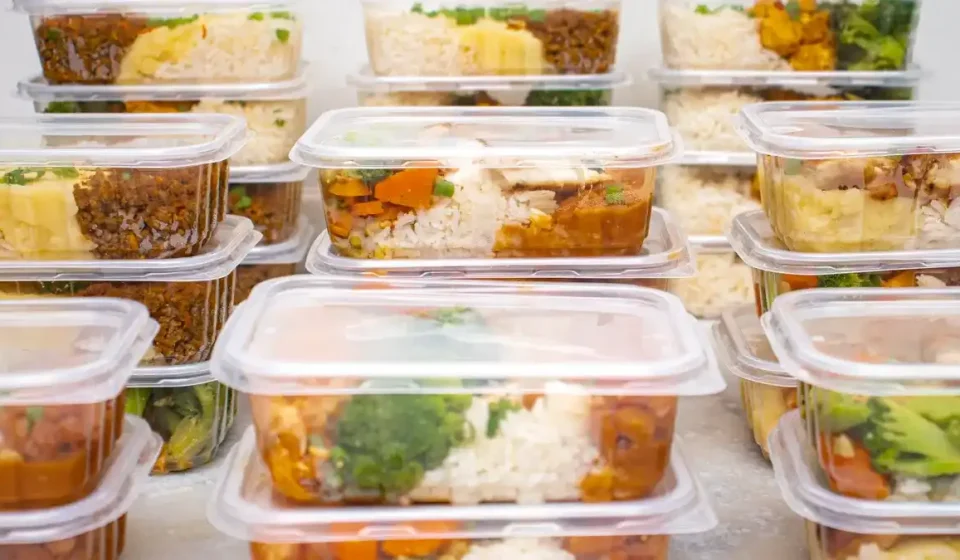
Use smaller food containers or shallow containers sized for one meal. A 500 ml container and a 1-liter container do not serve the same purpose. The smaller one cools faster, stores more neatly, and encourages you to take out only what you need. If you cook a big pot of rice or stew, splitting it into 2 or 3 portions gives you more control than leaving everything in one large block.
This also helps with time management. When you are hungry, you are more likely to microwave the entire dish just because it is easiest. That is the wrong move for low-histamine leftovers. A planned portion gives you a built-in limit: heat once, eat once, done.
A common mistake is keeping leftovers in one oversized container because it seems tidier. It is tidier, but it costs you temperature control and nudges you toward repeat reheating. Another mistake is reheating food in the original storage container if it is not meant for heat. A cracked lid, warped plastic, or a dish that heats unevenly can make the process messier and less predictable. Use a container intended for the heat source, and move the food if needed before warming.
If you only remember one practice from this article, make it this one. Portioning turns the question “Can I reheat this again?” into “I never need to.”
When not to reheat again
Do not reheat low-histamine food again if it has already been warmed, cooled, and sat around long enough that you are unsure of the timeline. Uncertainty is the problem. If you cannot say when it was first cooked, when it was chilled, and how many times it has been heated, the safer choice is to skip it.
I would also avoid a second reheat for foods that are especially sensitive for you personally, even if they look and smell fine. Low-histamine tolerance is not the same from one person to the next, and some people react to leftovers that another person handles without trouble. That is not a cue to “push through.” It is a cue to keep the system tighter.
Foods with a higher risk profile deserve extra caution: fish, cooked meat, rich sauces, and mixed dishes that have spent time in the fridge after being opened and served. If any of those have already been reheated once, I would not make a habit of bringing them back up to temperature a second time. The gain is small; the downside is unnecessary uncertainty.
This is also where food thermometers earn their keep. If you are not sure the center got hot enough the first time, do not try to fix the problem by reheating the same serving later. Reheat it properly once, or not at all. The same logic applies to leftovers that have been left on the counter too long. Once they have drifted into “maybe okay” territory, a second reheat is not a repair.
For people managing histamine-related symptoms, the conservative answer is the useful one: once is enough. Twice is the exception, and a poor one at that.
What a good low-histamine leftover routine looks like
A good low-histamine leftover routine is simple, repeatable, and boring in the best way. Cook a batch, cool it promptly, split it into 1-meal portions, store each portion in a suitable food container, and reheat only what is needed in a microwave or on the stovetop. Then eat it straight away.
The routine should feel almost automatic. If lunch leftovers usually become dinner leftovers and then tomorrow’s lunch, the system is too loose for low-histamine eating. Tightening it up usually means cooking smaller batches, planning exact portions, and choosing foods that tolerate a single reheat well. Plain grains, vegetables, and some starches are easier to manage than saucy protein dishes.
The payoff is not just fewer symptoms. It is less second-guessing. You do not need to stand in front of the fridge wondering whether yesterday’s meal can take one more spin in the microwave. If it has already been heated once, the decision is made.
This is a good place to be honest about the trade-off. Low-histamine leftovers ask for more attention than standard meal storage. That can feel inconvenient, especially on busy days. But the cost of being casual is often a meal you do not feel good after eating. For a lot of people, that is the real reason to keep reheating to once.
Key takeaways
- One reheating cycle is the practical limit for most low-histamine leftovers.
- Reheating does not erase histamine that may already be in the food.
- Portioning before storage is the easiest way to avoid needing a second reheat.
- A thermometer is more reliable than guessing by sight or steam.
- The microwave is fine for single portions; the stovetop is often better for even heating.
- If the timeline is unclear, skip the food rather than trying to rescue it with another warm-up.
Is it safe to reheat leftovers twice?
Usually no, not if low histamine is the goal. A second reheating cycle adds more time and more temperature swings, which works against both food safety and symptom control. If the food has already been heated once, the safer habit is to finish it then and there, or discard what remains.
Drafted with AI; not yet reviewed by a person.