Last updated: August 11, 2026
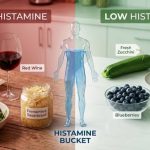
A bowl of “safe” food can still leave someone flushed, itchy, congested, or clutching their stomach. Histamine-releasing foods that are not high in histamine themselves are exactly that kind of nuisance: they can make a histamine-sensitive person feel worse even when the food itself is not especially high in histamine. Quick Answer: start with high-histamine foods first; if symptoms continue, add histamine-releasing foods that are not high histamine themselves as a second step. The trap is simple. You eat something that looks fine on paper, then the symptoms show up anyway. I write about food triggers and elimination-style diets, and I’ll be blunt: the usual high-histamine list is not enough. Key facts: 1) high-histamine foods are the first-pass target; 2) histamine-releasing foods that are not high histamine themselves are the second-pass suspects; 3) symptoms can be personal and inconsistent; 4) severe symptoms need a clinician. For background, see the Cleveland Clinic and AAAAI, and for patient-friendly context on histamine intolerance, also see Cleveland Clinic’s overview of histamine intolerance.
The Real Difference Between High-Histamine Foods and Histamine-Releasing Foods
High-histamine foods already contain more histamine. Histamine-releasing foods, by contrast, can push your body to release its own histamine, or they can aggravate symptoms through related pathways even if the food does not carry much histamine itself. Big difference. Clean up the obvious culprits — aged cheese, cured meat, fermented foods — and some people still feel stuck; when that happens, consult a clinician or dietitian, because a broader pattern may be involved. Cleveland Clinic and AAAAI both note that symptoms and triggers vary.
I would treat histamine-releasing foods as the second layer of the puzzle, not the first, and I would do that with professional guidance if symptoms are severe or the diet is already narrow. They are the foods that explain why a “low histamine” plan sometimes fails. Citrus fruit, tomatoes, strawberries, chocolate, spinach, egg whites, and some food additives show up often in trigger lists, but the response is personal. One person’s harmless snack is another person’s troublemaker.
The honest part many generic articles leave out: there is no universal trigger map. Pattern spotting matters. A food that is not aged, fermented, or stored for long, yet repeatedly causes a reaction, belongs on your suspect list.
For readers who want a medical frame, the Cleveland Clinic has a useful overview of histamine intolerance, and the American Academy of Allergy, Asthma & Immunology also has patient-facing material on food reactions and allergy-like symptoms. Neither replaces a clinician, especially if you have hives, swelling, wheezing, fainting, or severe GI symptoms.
Histamine-Releasing Foods: Who Should Actually Watch Them Closely
Watch histamine-releasing foods closely if leftovers, wine, vinegar, or fermented foods already set you off and the symptoms still show up on days when you eat “clean.” They also matter if you have a short list of random triggers that never seemed to make sense.
For example, people doing a strict elimination phase who still have symptoms should look here next. Likewise, people whose symptoms are dose-related and inconsistent may be seeing release-style effects rather than a simple histamine load. And if combinations bother you more than single foods, that is another clue.
The strength here is precision. It keeps you from blaming histamine content alone. A fresh tomato, for example, may bother someone even though it is not the same kind of problem as a bowl of leftover chili. That distinction saves a lot of false blame.
The weakness is obvious: the category can get too broad, too fast. Label every uncomfortable meal a “histamine release,” and suddenly the notebook turns into mush. I do not recommend turning this into a lifelong banned-food list. Use it as a short-term diagnostic tool, and if you are unsure, consult a clinician or dietitian before cutting more foods.
This is also not the right place to look if your issue is clearly something else: lactose intolerance, celiac disease, an IgE-mediated allergy, FODMAP sensitivity, or reflux can look similar and need different handling. When you have one of those, histamine-releasing foods may be a distraction rather than the cause.
The Specific Situations Where Histamine-Releasing Foods Win
When the freshness of the food does not match the size of the reaction, histamine-releasing foods move up the list. That is the clue. A person eats a freshly prepared meal and still gets symptoms after tomatoes, citrus, strawberries, chocolate, or spicy seasonings. In those cases, I would suspect a release-style trigger before I blame storage or spoilage.
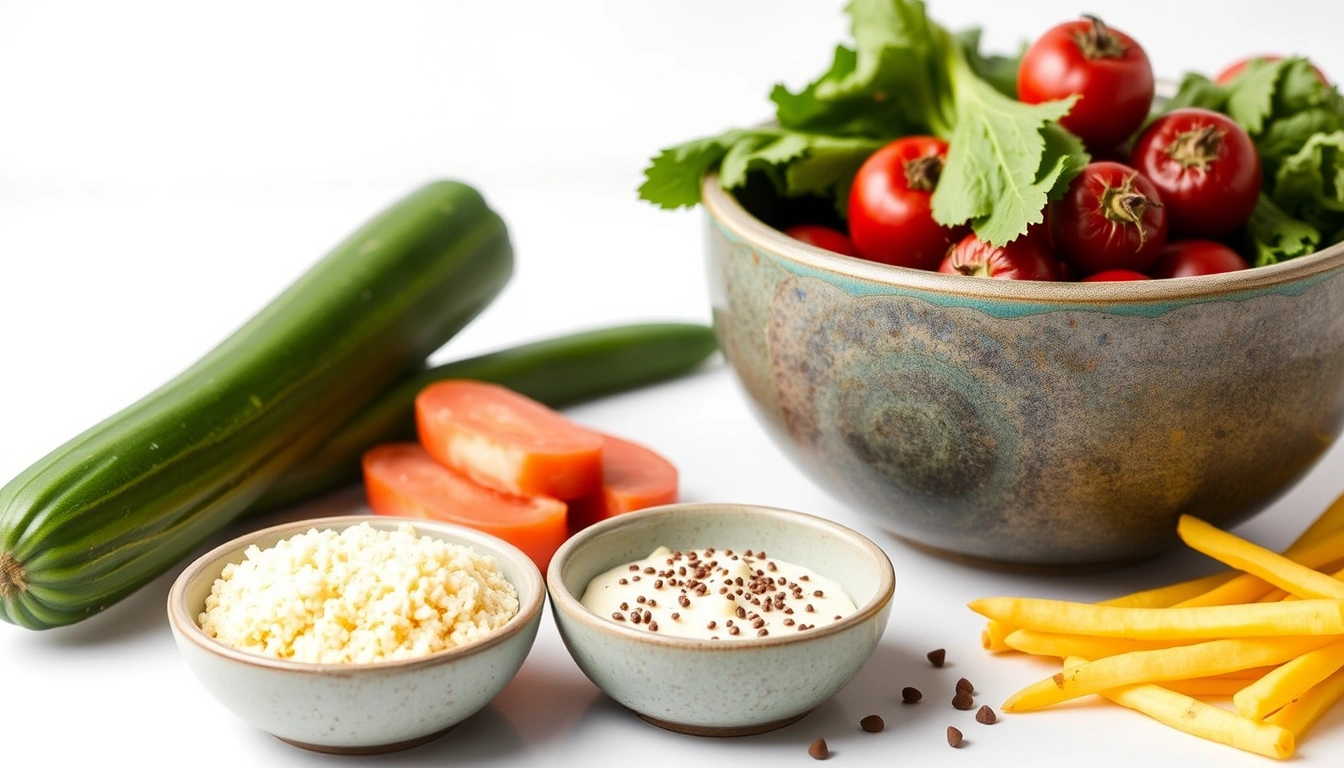
They also matter when the meal is otherwise low histamine but includes one of the common “activator” foods. A salad can be low histamine on paper and still be a problem if it includes tomato, avocado, spinach, vinegar dressing, and citrus. The issue is not just one ingredient; it is the stack.
Here are the foods I would watch first, with a practical note on why they show up so often:
- Citrus fruits and juices: often flagged for symptom flares even though they are not aged or fermented.
- Tomatoes: common in sauces, soups, and salads, which makes them easy to overlook as a repeated trigger.
- Strawberries: frequently discussed in low-histamine circles as a possible trigger food.
- Chocolate and cocoa: a classic troublemaker for some people.
- Spinach: tricky because it is often considered a “healthy” green, which makes the reaction feel confusing.
- Egg whites: some people tolerate yolks better than whites.
- Chili peppers and other spicy foods: can mimic or trigger histamine-like symptoms through irritation and vasodilation.
- Food additives and preservatives: not a single food, but worth watching because they can complicate the picture.
The win is clarity. Remove a few of these and symptoms improve, and you have a path forward. The weakness is that the list is not universal, and it can lead to unnecessary restriction if you treat it like gospel; when that happens, consult a clinician or dietitian and use a symptom diary rather than a blanket ban.
The Honest Side-by-Side
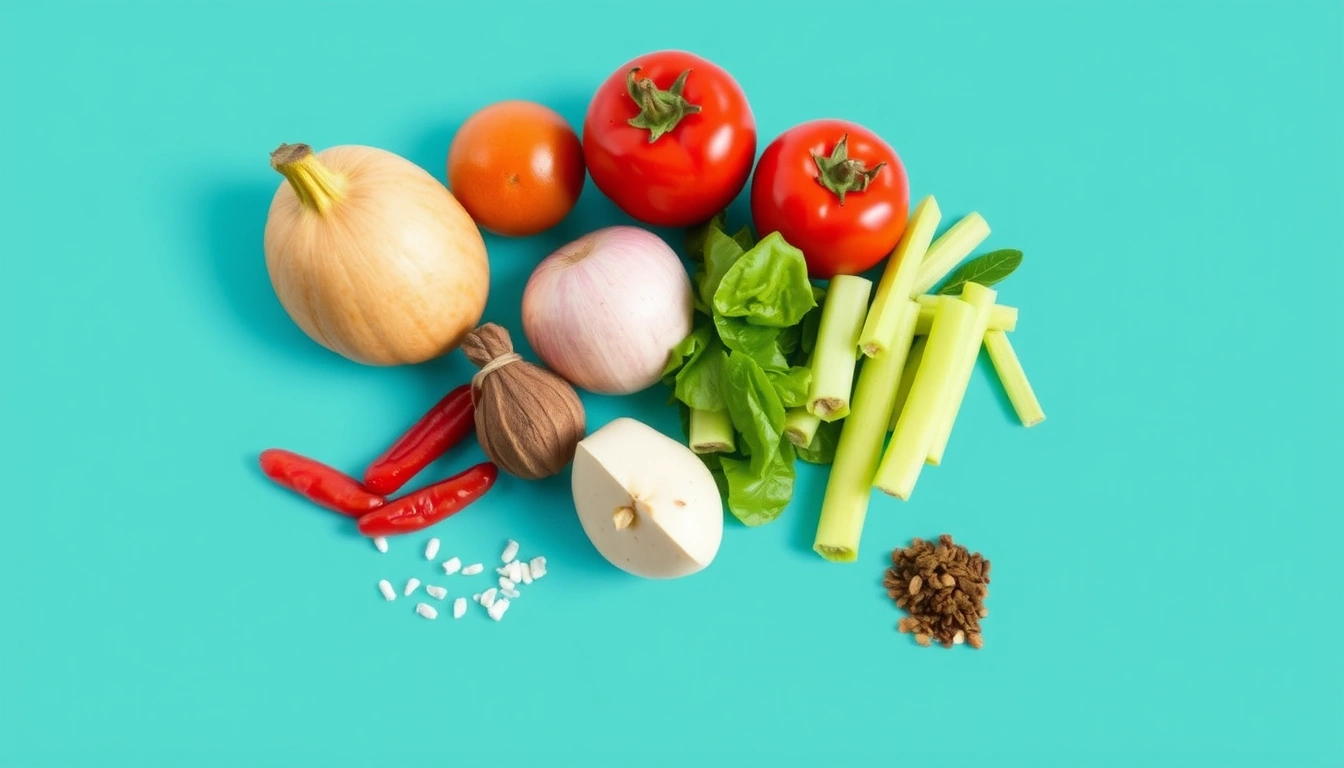
If I were helping someone sort out a reaction diary, I would compare high-histamine foods and histamine-releasing foods this way: the first group is usually the cleaner target, and the second group is the messier but still useful one.
| Criteria | High-Histamine Foods | Histamine-Releasing Foods | Winner for [condition] |
|---|---|---|---|
| What they do | Contain more histamine | May trigger release or worsen symptoms indirectly | High-histamine foods for simple tracking |
| Ease of identification | Usually easier to spot | Harder, because the food can look “safe” | High-histamine foods |
| Usefulness in elimination diets | Best starting point | Best second-phase suspects | High-histamine foods for phase one |
| Risk of over-restriction | Moderate if the list is kept tight | Higher, because trigger lists vary widely | High-histamine foods |
| Explains “I reacted anyway” cases | Sometimes | Often | Histamine-releasing foods |
| Best for meal planning | More predictable | Less predictable | High-histamine foods |
| Most likely to confuse people | Less confusing | More confusing | High-histamine foods |
| Best for symptom troubleshooting after basics are removed | Useful, but limited | Very useful | Histamine-releasing foods |
| Best first step | Yes | No | High-histamine foods |
My take is simple: high-histamine foods win for the first pass, because they are more concrete and easier to control. Histamine-releasing foods win when the first pass does not explain the symptoms. That is where they earn their keep.
The drawback of relying on histamine-releasing foods too early is that you can end up with a laundry list of “maybe” triggers and no stable diet. That is exhausting — and, honestly, pretty useless.
High-Histamine Foods: Who Should Actually Use This First, and Who Shouldn’t
High-histamine foods are the right first target for almost anyone who suspects histamine issues. They are the more obvious, more defensible starting point because the biology is cleaner: less room for guesswork, more room for pattern spotting. When I were building a short elimination plan, I would start here.
This approach works best for people who want structure. Remove the major sources of histamine load, then watch what happens. That gives you a baseline. It is also best for people who are overwhelmed and need a manageable list before they start chasing edge cases.
The weakness is plain: this approach can miss the people whose bodies react to release triggers more than to histamine content itself. When you stop after cleaning up aged foods, fermented foods, and leftovers, you may think the diet “failed” when the real issue is a second layer of triggers.
It is also not the best choice if you already have a very limited diet and cannot afford a broad removal plan, so a clinician or dietitian can help you narrow the plan. That matters especially if weight loss, nutrient gaps, or food fear are already part of the picture.
Use high-histamine foods first when your goal is to find the obvious offenders with the least drama. Do not skip this step. It is the foundation.
Histamine-Releasing Foods: Who Should Actually Use This Second, and Who Shouldn’t
Histamine-releasing foods are the right second step for people who have already cut the standard high-histamine foods and still have symptoms. That is their best use case. They help explain the leftover mystery.
And because of that, this category wins when the food itself looks innocent but the reaction is repeatable. Fresh produce can still be a problem. A meal can be freshly cooked and still trigger symptoms if it contains a release-style food. That is why people get frustrated: the issue is not always spoilage or fermentation.
The strength of this category is that it can uncover patterns others miss. If tomatoes are a problem but not every red sauce is, or if chocolate is always bad but other sweets are fine, the release list helps you sort signal from noise.
The weakness is that the evidence is often less tidy than with high-histamine foods. Trigger lists vary by source, and people often react differently. That means you need a symptom diary, not just a blanket ban.
I would not use this category as a starting point for children, for anyone already fearful around food, or for anyone with a history of disordered eating. In those cases, the uncertainty can make things worse. You need guidance, not a larger fear list.
Our Verdict: Which One to Choose and Why
Choose high-histamine foods if you are starting from zero, want the clearest first test, or need to reduce obvious triggers without making your diet unmanageable. Choose histamine-releasing foods if you have already cleaned up the standard high-histamine list and your symptoms are still showing up. Neither if you have warning signs like swelling, trouble breathing, fainting, blood in stool, or severe and persistent reactions — in that case, get medical help and do not self-manage this as a simple food-intolerance problem.
My recommendation is firm: start with high-histamine foods, then add histamine-releasing foods only if the first pass does not explain the pattern. That sequence gives you the best chance of finding the real issue without over-restricting early.
When to Reconsider This Choice Entirely
The whole histamine framework may be the wrong lens if your symptoms do not track with food at all. When you react the same way regardless of what you eat, or your symptoms are tied to stress, hormones, exercise, temperature changes, or medications, I would widen the search.
I would also reconsider the plan if you keep removing foods but never get a clean improvement. That can mean several things: the trigger is not histamine, the trigger is not food, or there is more than one problem happening at once. Repeated guessing is not a plan.
Here are the exception scenarios where my usual verdict flips:
-
You react only to leftovers, aged foods, and fermented foods.
Then histamine content is probably the bigger issue, and release foods can wait. -
You react to fresh foods that are often classed as trigger foods.
Then histamine-releasing foods deserve earlier attention. -
You have a diagnosed allergy, celiac disease, or reflux.
Then the histamine list may be secondary or irrelevant. -
You are becoming increasingly restrictive.
Then stop expanding the list and get professional guidance before the diet starts controlling you.
FAQ
Are histamine-releasing foods the same as high-histamine foods?
No. High-histamine foods contain more histamine. Histamine-releasing foods may trigger histamine symptoms without being especially high in histamine themselves.
Do all people with histamine intolerance react to the same foods?
No. The trigger pattern is personal. Some people react mainly to aged or fermented foods; others react to foods that are often labeled as histamine-releasing.
Should I remove every histamine-releasing food at once?
Not usually. That can become too restrictive too quickly. I would start with the obvious high-histamine foods, then test likely release triggers if symptoms continue.
Can a fresh food still cause a histamine-like reaction?
Yes. Freshness does not guarantee safety if the food is one of your personal triggers.
When should I talk to a clinician?
If your symptoms are severe, recurring, hard to explain, or involve swelling, breathing trouble, fainting, or blood in the stool, get medical advice before making more diet changes.