Last updated: August 11, 2026
Quick Answer: A complete low-histamine food list usually starts with about 10 to 15 fresh, simply prepared foods and removes the biggest trigger groups first. In practice, the real issue is the complete low-histamine food list: safe foods vs. foods avoid — not perfect eating, but cutting risk while you figure out what your body handles. Trying to eat low histamine? Then the question is not “What’s healthy?” It is “What can I eat without setting off symptoms, and what should I steer clear of because it is likely to make things worse?” I’m a nutrition writer who has spent years covering food triggers, elimination diets, and practical label-reading, and I would treat low-histamine eating as a symptom-management tool, not a perfect forever diet.
The Real Difference Between Low-Histamine Foods and High-Histamine Foods
Freshness first. The split is that simple.
Low-histamine eating works best when you think in terms of freshness, processing, and storage, not just ingredients. Fresh foods are usually safer. Aged, fermented, cured, canned, and slow-held foods are much more likely to cause trouble; if symptoms are severe, a qualified clinician should help you set your own limits.
Generic “safe food” lists make this sound simpler than it is. A tomato can be a problem because it is naturally high in histamine for many people. So can leftovers that sat in the fridge too long, even when the original ingredient was fine. Histamine can build in food over time, which means two meals made from the same chicken can hit differently if one was eaten right away and the other lingered for days.
I would not treat a low-histamine list like a yes/no moral code. Use it as a starting map. Your tolerance may be narrower or wider depending on your symptoms, medications, gut issues, and whether you also react to other compounds like salicylates or oxalates. And if you have severe reactions, work with a qualified clinician before making major diet changes.
For a reliable overview of histamine intolerance and food triggers, I would point you to the Cleveland Clinic’s explanation of histamine intolerance and the British Dietetic Association’s low-histamine guidance. Those sources stay grounded in symptoms and food handling, not internet folklore. Clean, not cute.
Low-Histamine Food List: The Foods I Would Put in the Safe Column
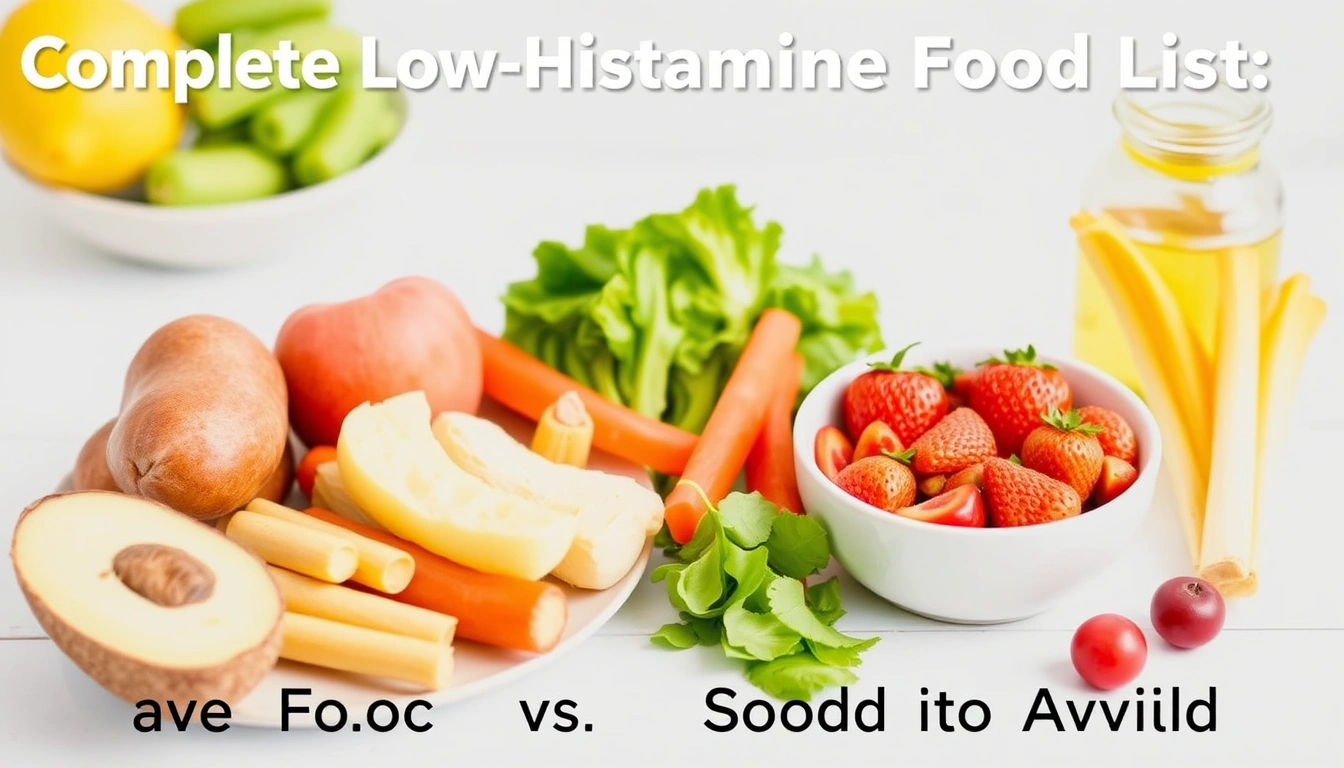
Fresh, simple, and not fermented or aged — that is the pattern. If I had to build a starter pantry for someone newly diagnosed or self-testing, I would begin here, with help from a qualified clinician if symptoms are severe:
- Fresh meat: chicken, turkey, lamb, beef, pork, ideally cooked soon after purchase
- Fresh fish: only if very fresh; freeze quickly if not used right away
- Eggs, if you personally tolerate them
- Most fresh vegetables: carrots, zucchini, cucumber, lettuce, broccoli, cauliflower, celery, sweet potato, green beans
- Most fresh fruits: apples, pears, blueberries, grapes, melon, peaches, mango, plums, cherries, unless you know you react
- Gluten-free grains and starches: rice, oats, quinoa, buckwheat, millet, potatoes, sweet potatoes
- Simple fats: olive oil, coconut oil, ghee if tolerated
- Herbs: parsley, basil, cilantro, dill, thyme, oregano in small amounts if tolerated
- Beverages: water, certain herbal teas like chamomile or rooibos if tolerated
Useful? Absolutely. Foolproof? No. Histamine problems are individual. One person does fine with eggs and strawberries; another reacts to both. I would treat any “safe” list as a way to lower risk, not erase it, and I would confirm it with a qualified clinician if you are reacting often.
The rule I trust most is plain: fresh, plain, and quickly cooled foods usually beat elaborate, long-stored meals. Batch-cook? Freeze portions fast instead of keeping them in the fridge for several days. Buy meat or fish? Cook or freeze it promptly. That handling step matters almost as much as the ingredient itself.
One more thing the internet often misses: “safe” does not mean “eat unlimited amounts.” Even low-histamine foods can irritate someone if the meal is huge, heavily seasoned, or mixed with other triggers. Start simple. Then add foods back one at a time.
Foods to Avoid on a Low-Histamine Diet
This is the section most people need, because the usual answer online is too vague. For most people doing a low-histamine trial, I would place these in the avoid-or-strict-limit column; a qualified clinician can help you decide what matters most for your symptoms:
- Aged cheeses
- Yogurt, kefir, sauerkraut, kimchi, miso, tempeh, kombucha
- Cured meats: salami, pepperoni, prosciutto, bacon, deli meats
- Vinegar and foods made with it, including many dressings and pickles
- Alcohol, especially wine and beer
- Canned fish and long-stored fish
- Leftovers kept too long in the fridge
- Tomatoes and tomato products
- Spinach, eggplant, avocado
- Citrus fruits
- Strawberries in some people
- Chocolate and cocoa
- Nuts, especially when stale or heavily processed
- Soy sauce and many packaged sauces
- Bone broth that has simmered for a long time, if you react to it
Here is the trap: “but it’s natural.” Fermented foods are often praised for gut health, and for many people they are fine. For someone with histamine intolerance, they can be the exact opposite of helpful. Same story with aged cheese. Nutrition value does not cancel symptom risk. Not even close.
I would also be careful with “healthy” meal-prep habits that work against histamine control. Big containers of soup in the fridge, pre-cut fruit held for days, rotisserie chicken eaten all week, and restaurant leftovers can all be a problem. The food may look fine and still be a bad fit. Sneaky stuff.
Another common mistake: people remove obvious triggers but keep drinking alcohol, eating vinegar-based sauces, and nibbling on packaged snack foods with long ingredient lists. That usually muddies the trial. If you are trying to learn your baseline, I would simplify hard for a few weeks rather than make half changes.
The Honest Side-by-Side
Want the quickest decision rule? Here it is: fresh and plain wins when you are trying to calm symptoms; aged, fermented, and leftovers lose because they are more likely to accumulate histamine or act as triggers.
| Criteria | Low-histamine foods | Foods to avoid | Winner for this condition |
|---|---|---|---|
| Symptom risk | Usually lower when fresh and simply prepared | Usually higher, especially with fermentation, aging, or storage | Low-histamine foods for symptom reduction |
| Meal prep friendliness | Works best with quick cooking and freezing | Often less predictable and harder to rescue | Low-histamine foods for controlled prep |
| Restaurant safety | Possible, but harder to verify | Risk rises sharply with sauces, marinades, and leftovers | Low-histamine foods if you cook at home |
| Convenience | Moderate | High, because many are shelf-stable or ready-made | Foods to avoid for convenience only |
| Nutrient variety | Good, if you build meals carefully | Can be good too, but often comes with more triggers | Low-histamine foods for a trial phase |
| Predictability | Higher when freshness is controlled | Lower because aging and processing vary | Low-histamine foods |
| Social ease | Harder at parties and restaurants | Often built into common menus and snacks | Foods to avoid for social convenience, not symptoms |
| Best use case | Elimination phase or symptom flare | Usually not a good fit during flares | Low-histamine foods |
My read of that table is simple: the low-histamine list is the better choice when you want control. The avoid list is mostly there to strip out the noisy variables that keep people guessing. That is why a strict trial can be so useful. It gives you cleaner feedback.
Low-Histamine Foods That Win for Real-Life Eating
Low-histamine foods win for one reason: they are the easiest path to a calmer, more predictable diet. That matters most for people in a flare, people trying to identify triggers, and anyone whose symptoms are confusing enough that they need fewer moving parts.
The biggest strength of low-histamine eating is that it gives you a workable baseline. Chicken, rice, zucchini, carrots, pears, and olive oil may not sound exciting, but they are reliable building blocks. You can cook them fast, season them simply, and repeat meals without introducing a long list of variables. If you are reacting to food and need to understand what is happening, boring is useful.
The trade-off? It can get restrictive fast. Rely on a tiny set of foods for too long and meals become repetitive; nutrition can also drift if you are not careful. Low-histamine eating can create a false sense of safety if you ignore timing. A “safe” meal that sits too long can become a problem meal.
Who should use this approach? I would choose it for someone with suspected histamine intolerance, recurring flushing or headaches after meals, chronic hives that seem food-linked, or a clinician-recommended elimination phase. I would be more cautious if you already have a history of restrictive eating, active eating-disorder recovery, or a condition that makes calorie intake hard. In those cases, a narrow diet can do more harm than good unless a professional is guiding it.
I would also skip a rigid low-histamine approach if your symptoms are clearly unrelated to food. That sounds obvious, but people often chase diet changes when the real issue is medication, infection, reflux, or a different intolerance entirely. Easy to miss. Very easy.
Foods to Avoid: When They Matter More Than the Safe List
The avoid list wins when the goal is speed. If someone is symptomatic and wants the fastest way to reduce obvious exposure, removing aged cheese, fermented foods, alcohol, vinegar, cured meats, tomatoes, and leftovers usually has more impact than endlessly polishing the safe list.
Why? Because many of the highest-risk foods are also the easiest to spot. If your breakfast is yogurt with strawberries and your dinner is lasagna with parmesan and tomato sauce, you have already stacked several likely triggers. Cutting those foods can simplify the picture quickly.
Clarity is the strength here. It tells you what to stop first. The weakness is that it can turn into fear-eating if you keep expanding it without reason. Some people start by avoiding fermented foods and end up afraid of half the grocery store. I would not do that. I would keep the list anchored to the common triggers first, then assess your own response.
Who should focus here? People who know they react badly to wine, vinegar, cured meats, aged cheese, or leftovers. Also people who need a short-term reset before reintroducing foods carefully. Who should skip a broad avoid list? Anyone who is already under-eating, losing weight unintentionally, or getting stressed by food rules. For them, a narrower and more supervised plan is better than blanket avoidance.
Our Verdict: Which One to Choose and Why
Choose low-histamine foods if you are starting from zero, you need a cleaner baseline, or your symptoms flare after mixed meals. Choose the avoid list if you already know your personal triggers and want the fastest way to cut obvious problems. Neither if you are using food rules to manage symptoms that are severe, unexplained, or worsening without medical evaluation.
My actual recommendation is this: begin with the low-histamine food list as your default, then use the avoid list to remove the highest-risk items during your trial. That gives you structure without turning eating into a guessing game. The safe list tells you what to build from. The avoid list shows what to keep out while you learn your pattern.
I would not start with total perfection. Start with simple meals, fresh ingredients, fast refrigeration or freezing, and a short list of known trigger foods to avoid. Then reintroduce one item at a time and watch what happens. That approach is slower than internet “fixes,” but it is far more useful.
If you want a practical bottom line, low-histamine eating is not about purity. It is about reducing the foods most likely to raise the odds of symptoms, then rebuilding a diet you can actually live with.
When to Reconsider This Choice Entirely
There are a few situations where I would stop treating this as a simple food-list problem.
First, if you react to many foods, even the “safe” ones, the issue may not be histamine alone. Multiple food triggers can point to another intolerance, gut disorder, or broader medical problem. In that case, a diet list is only a starting point.
Second, if symptoms include trouble breathing, swelling, fainting, or severe reactions, do not keep experimenting alone. Get medical help. A low-histamine list is not a substitute for urgent evaluation.
Third, if the diet makes you anxious, isolated, or increasingly restrictive, step back. A food plan that damages your relationship with eating is not doing its job. That is especially true if you are already prone to under-eating.