Low-Histamine Breakfast Ideas: Quick Meals for Busy Mornings

Last updated: November 01, 2026
Quick answer: 5 to 10 minutes is enough for several low-histamine breakfast ideas if you keep the ingredient list short. Low-Histamine Breakfast Ideas: Quick Meals for Busy Mornings should stay plain, fast, and flexible enough for a rushed morning. The best options are often simple combinations made from freshly prepared ingredients, short prep times, and toppings that do not need long storage or reheating.
Key Takeaways
- Quick low-histamine breakfasts usually combine one base, one fresh topping, and one simple fat or protein source.
- Busy-morning low-histamine breakfast ideas are often one-pan, one-bowl, or no-cook.
- The simplest low-histamine breakfast formula is one base, one fresh topping, and one optional extra.
- Good make-ahead low-histamine breakfasts are usually dry or lightly assembled, then finished fresh in the morning.
The fastest low-histamine breakfast formula
A quick low-histamine breakfast formula is a base, a fresh topping, and one easy protein or fat source. That approach keeps breakfast moving in 5 to 10 minutes and avoids the trap of hunting for a perfect recipe when you are half-awake.
A useful way to think about breakfast meal ideas here is not “What is allowed?” but “What can I assemble safely in 3 steps?” A bowl of oats with sliced pear and coconut yogurt fits that pattern. So does rice cakes with sunflower seed butter and fruit that you washed and cut that morning. The point is speed without piling on ingredients that need fermentation, long chilling, or complicated reheating.
Use this simple decision order:
- Pick a base that cooks or toasts quickly. Oats, rice cakes, or plain bread, if tolerated, are the easiest 2-to-5-minute starting points.
- Add a fresh component. Pear is a strong choice because it needs almost no prep beyond slicing.
- Choose one creamy or crunchy finish. Coconut yogurt, chia seeds, or a thin spread keeps the meal filling without turning it into a project.
- Keep the ingredient count low. Three to four ingredients is usually enough for a weekday breakfast.
- Use the freshest version you can. The fewer hours a dish sits in the fridge, the easier it is to keep the meal straightforward and predictable.
That formula is not the right fit for people who want a large savory breakfast with leftovers, sauces, or long-held meal prep. It is also a poor fit if your tolerance is highly individual and even “safe” foods need careful personal testing with a clinician. For those readers, a looser breakfast plan is usually less frustrating than chasing one universal menu.
Low-histamine breakfast ideas you can make in 5 to 10 minutes
These low-histamine breakfast ideas that work on busy mornings are usually the ones that need one pan, one bowl, or no cooking at all. They are practical, not glamorous, and that is the point. For general food-safety guidance, the FDA recommends keeping cold foods cold and limiting time in the temperature danger zone, which also supports a simple, quick breakfast routine.
- Overnight-style oats without the long wait. Cook oats in water or a tolerated milk alternative, then top with sliced pear and a spoonful of coconut yogurt. If you need it hot, this takes about 5 minutes on the stove or in the microwave. Keep the topping fresh instead of mixing everything hours ahead.
- Rice cakes with pear and coconut yogurt. Spread coconut yogurt lightly on rice cakes, then add thin pear slices. This is best when you need something you can eat standing at the counter or carry in a lidded container.
- Warm oats with chia seeds. Stir in chia seeds near the end so the texture thickens without turning gluey. One tablespoon can be enough for a small bowl; more can make the bowl dense and slow to eat.
- Simple fruit bowl with a grain base. If oats feel too heavy, pair pear with a small serving of plain rice or leftover plain grain that you know you tolerate. This works when you need breakfast in under 5 minutes and do not want a sweet meal.
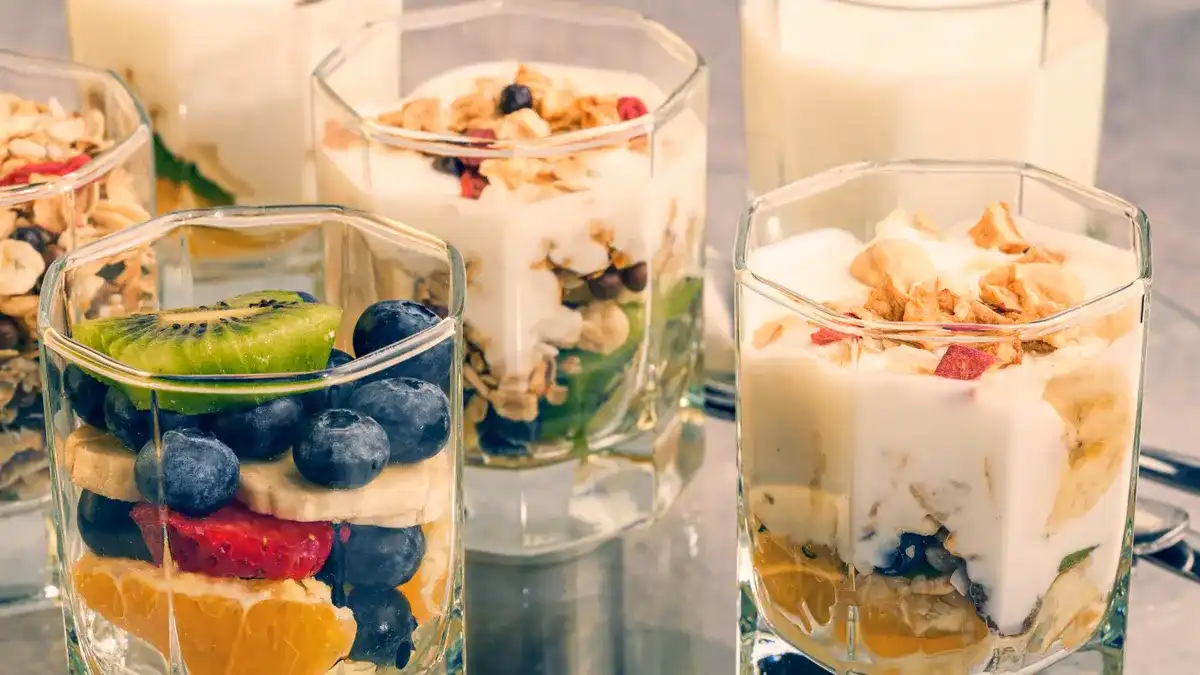
- Coconut yogurt bowl with oats sprinkled on top. This is a quick cold breakfast on the list. Add oats for bulk and texture, then finish with sliced pear. It is a good option when the morning heat makes cooking unappealing.
- Toasted bread or rice cakes with a basic spread. If you tolerate them, use a plain spread and top with pear slices. The structure matters more than variety on a rushed weekday.
The trade-off is plainness. These low-histamine breakfast ideas are not built for big flavor or a long sit-down meal, and they may feel repetitive if you eat them every day. That is better than improvising with ingredients that need marinating, long storage, or extra cooking.
For a broader daily routine, the NIH office on dietary supplements notes that food tolerance can vary widely from person to person, which is why a simple pattern is often easier to maintain than a complicated one. Low-histamine breakfast ideas work best when they stay repeatable.
How do I build a low-histamine breakfast without overthinking it?
You build a low-histamine breakfast by choosing one base, one fresh topping, and one optional extra, then stopping there. A 3-part breakfast is usually enough to keep the meal quick and reduce the chance of tossing in ingredients because they “seem fine.”
Here is the core procedure for busy mornings:
- Start with a base that is ready in under 10 minutes. Cook 1 serving of oats, toast 2 rice cakes, or spoon coconut yogurt into a bowl. The result is a breakfast that exists before you start second-guessing it.
- Add one fresh fruit. Slice 1 pear and put it on top or on the side. The result is sweetness and moisture without needing syrups or heavy prep.
- Choose one texture booster. Add 1 tablespoon of chia seeds or a small handful of oats if the bowl looks too light. The result is a breakfast that lasts longer than a few bites.
- Stop before the ingredient list becomes a recipe. If you are adding nuts, multiple spreads, or a second fruit, pause and ask whether the extra step buys you anything on a weekday. The result is a meal that stays repeatable.
- Pack it only if you need to leave immediately. Put the bowl in a lidded container or wrap rice cakes separately so they stay crisp. The result is a portable breakfast that still works 30 to 60 minutes later.
This pattern is helpful because it keeps the decision load low. A person who is tired at 7 a.m. does not need 12 ingredient options. They need one workable formula they can repeat three mornings in a row without resenting it. Healthline’s guidance on simple breakfast planning also points to easy combinations that are quick to prepare and easier to keep consistent.
The mistake to avoid is treating breakfast like a “clean out the pantry” meal. That usually leads to too many ingredients, unclear tolerances, and food waste. If you are managing symptoms or have questions about what fits your needs, consult a qualified clinician or dietitian and use a reliable reference such as the NIAID food allergy guidance before making broad changes. A better approach is to keep 2 or 3 breakfast formulas on rotation and learn which one feels easiest on the busiest days.
Which make-ahead breakfasts fit a low-histamine routine?
The best make-ahead breakfasts for a low-histamine routine are dry or lightly assembled items that can be finished fresh in the morning. That keeps prep short and avoids the biggest problem with breakfast leftovers: they sit too long before you eat them.
A practical make-ahead setup looks like this:
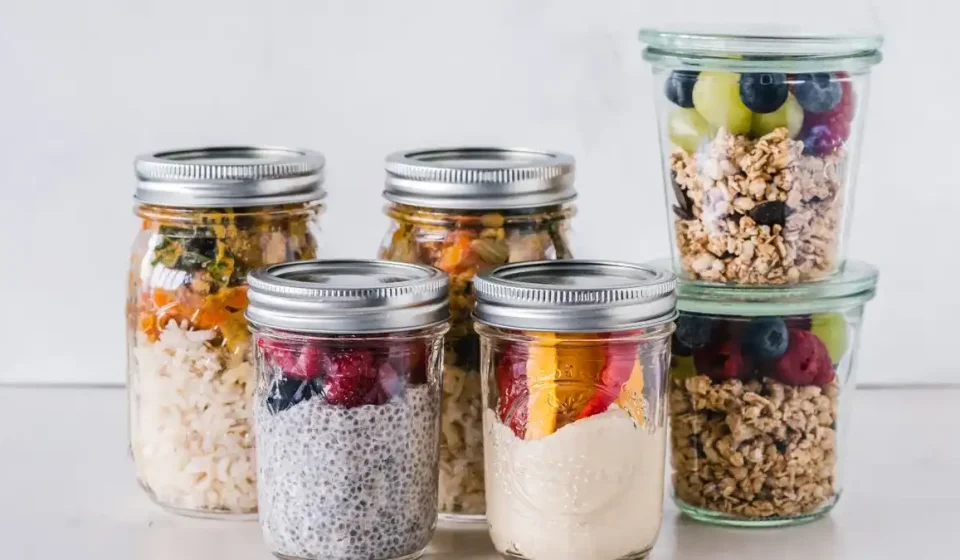
- Pre-portion dry oats. Fill 2 or 3 containers with oats, then add hot water or a tolerated milk alternative in the morning. This takes the morning work down to one pour and one stir.
- Wash and slice fruit the same day you plan to eat it. Pear holds up better than many softer fruits, but it is still best when cut close to serving time.
- Pre-pack rice cakes and toppings separately. Keep the cakes dry and add coconut yogurt or fruit just before eating so the texture stays crisp.
- Measure chia seeds into single servings. Chia thickens fast, so a small pre-measured portion helps you avoid making a bowl too dense.
- Set aside a breakfast box in the fridge. A container with oats, a spoon, and fruit ready to grab is more useful than a fully built bowl that may sit overnight.
The honest limitation is shelf time. The longer a prepared breakfast sits, the more likely the texture changes and the less appealing it becomes. That matters more with creamy bowls and cut fruit than with dry ingredients. If you need breakfast to survive a long commute, keep the assembled part minimal and do the final topping at your desk or once you arrive.
For a broader system that puts breakfast into the rest of the day, the hub on low-histamine meal planning and practical eating is the right next stop. To compare breakfast formulas with lunch and dinner, see the related guides on low-histamine meal prep and low-histamine snacks.
Portable low-histamine breakfasts for commuting mornings
Portable low-histamine breakfasts are best when they travel well for 30 to 90 minutes without getting soggy, leaking, or turning sticky. That makes them useful for school runs, train rides, and mornings when breakfast has to leave the house with you.
Good portable options include:
- Rice cakes in a rigid container. Keep them dry, then add coconut yogurt separately or eat it from a second container.
- Oats in a screw-top jar. A thicker oat bowl holds up better than a loose one, especially if you are carrying it in a bag.
- Pear slices with a simple grain base. Pack the pear in one compartment and the oats or rice cakes in another so the fruit does not wet everything else.
- Coconut yogurt bowl with a lid. This works best for short trips. If you are commuting longer than about an hour, keep the toppings separate.
- A small snack-style breakfast. Two rice cakes, a piece of fruit, and a few spoonfuls of oats may be enough when you know you will eat a fuller meal later.
Portable breakfasts are not the place for fragile textures. Anything that depends on crunch, like rice cakes, should stay dry until the last minute. Anything creamy should travel in a tight container and be eaten fairly soon after leaving the fridge.
The cost of portability is compromise. A perfect bowl at home is easier to make than a breakfast that survives a backpack. If your mornings are chaotic, build around foods that hold their shape and skip anything that needs elegant plating or long assembly. For more travel-friendly options, the related page on portable low-histamine snacks uses the same simple logic.
Egg-free and dairy-free low-histamine options that still feel filling
Egg-free and dairy-free low-histamine breakfasts can still be satisfying if you rely on oats, chia seeds, rice cakes, pears, and coconut yogurt instead of trying to mimic an omelet or a rich dairy bowl. The texture, not the protein headline, is what keeps these meals usable.
Three reliable combinations:
- Oats with chia seeds and pear. This is the most balanced option on the page because it gives you softness, thickness, and fruit in one bowl. Use a 1-tablespoon chia portion if you want a lighter texture.
- Coconut yogurt with oats and pear. This is cooler, faster, and easier when you do not want a hot breakfast. It is also useful on mornings when cooking feels impossible.
- Rice cakes topped with coconut yogurt and fruit. This is the best choice when you want something crisp and handheld.
The advantage of these breakfasts is that they are simple to repeat. The downside is that they may not keep you full as long as a larger egg-based meal, especially if you need a lot of energy before midmorning. If that is your situation, increase the oats or add a second rice cake rather than loading up on ingredients that complicate the meal.
One note on dairy-free substitutes: not every alternative behaves the same. A coconut yogurt with a short ingredient list is easier to fit into a low-histamine breakfast pattern than a heavily flavored dessert-style version. Plain usually works better than fancy. If you want to compare ingredient lists, the related guide on dairy-free breakfast swaps is the closer match.
Common mistakes that turn a simple breakfast into a bad one
The biggest mistake is making breakfast too old, too complicated, or too wet. That usually costs you texture first, then time, then confidence in the whole routine.
Here are the main problems to avoid:
- Building breakfast the night before when freshness matters. A bowl of oats may hold, but fruit can soften and a crisp item can go soggy. Do the final assembly in the morning unless you already know that particular combo works for you.
- Using too many ingredients at once. A 7-ingredient bowl can be harder to tolerate and slower to make than a 3-ingredient one.
- Choosing breakfast that needs long reheating. Anything that takes 15 minutes to rewarm is a bad fit for a weekday morning and usually leads to skipping breakfast.
- Ignoring texture. A breakfast can be “safe” on paper and still be unpleasant if everything is soft, cold, or mushy.
- Forgetting the portable version. If you know you may leave in a hurry, pre-plan a container, not just a recipe.
The fix is simple: pick one recipe, one backup, and one portable version. For example, hot oats at home, rice cakes for the car, and coconut yogurt with pear for days when cooking is unrealistic. That is enough structure for most busy mornings without turning breakfast into a project. For more help with quick routines, the related page on low-histamine meal planning keeps the same step-by-step approach.
What is the best low-histamine breakfast for someone who has no time?
The best low-histamine breakfast for someone who has no time is usually plain oats, rice cakes, or coconut yogurt with pear, because those options take 2 to 10 minutes and need almost no cleanup. Pick the version you can actually repeat on a Tuesday morning, not the one that sounds ideal on paper.
If you want only one template, start with oats plus pear. It is warm, simple, and easy to change from day to day by adjusting the topping or the liquid. If you need something colder, coconut yogurt with chia seeds and pear is the next easiest option. If you need to eat while moving, rice cakes are the safer shape.
The wrong breakfast for this reader is one that depends on perfect timing, multiple pans, or a long ingredient list. Those meals look fine on a calm weekend and fail on a workday. The goal is not culinary variety. The goal is a breakfast that gets made before the morning gets away from you.
What can I eat for breakfast on a low-histamine diet?
You can eat simple breakfast meal ideas built from oats, rice cakes, pear, chia seeds, and coconut yogurt if those foods fit your own tolerance. A good low-histamine breakfast is usually fresh, plain, and short to make. Keep the ingredient list small and favor combinations you can assemble in 5 to 10 minutes.
What are easy low-histamine breakfasts?
Easy low-histamine breakfasts are the ones that need little or no cooking. Oats with pear, rice cakes with coconut yogurt, and chia seed toppings are all straightforward. The best version is the one you can repeat on a busy morning without needing a special recipe or a long cleanup.
Can I meal prep low-histamine breakfasts?
You can meal prep parts of low-histamine breakfasts, but full assembly is often better done close to eating time. Dry oats, pre-portioned chia seeds, and separate toppings are easier to manage than a fully built bowl.
Drafted with AI; not yet reviewed by a person.