Last updated: October 24, 2026
Key Takeaways
- The most useful low-histamine pantry staples are simple grains, plain oils, salt, dried herbs, and a few emergency add-ins for quick meals.
- Build it around 8 to 12 ingredients, then use those ingredients in repeatable combinations.
- The most useful grains for a low-histamine pantry are plain, predictable options that cook consistently.
- The most useful oils, salt, and dried herbs are plain ones with short ingredient lists and no seasoning mix attached.
A pantry with seven clean basics can save dinner. Low-Histamine Pantry Staples: Shelf-Stable Ingredients That Make Cooking Easier are the shelf-stable ingredients that let you cook a normal meal without starting from scratch every day. Histamine problems are personal, though; according to Cleveland Clinic, low-histamine diets are highly individual, so the safest pantry is the one that fits your own tolerance and any guidance from a clinician or dietitian. The target is not perfection. It is a short, dependable list that holds up in a cupboard, fridge, or freezer and can become dinner in 15 to 30 minutes.
The pantry staples section of a low-histamine kitchen works best when it is boring in the right way: white rice, quinoa, oats, olive oil, salt, dried herbs, and a few canned or shelf-stable extras that do not force you into complicated prep. That is the point. You want ingredients that are easy to mix, easy to portion, and easy to replace when a brand changes its recipe. One odd label can throw off the whole week. Keep the list tied to one practical idea: low-histamine pantry staples should make weeknight cooking easier, not more complicated.
The low-histamine pantry staples that do the most work
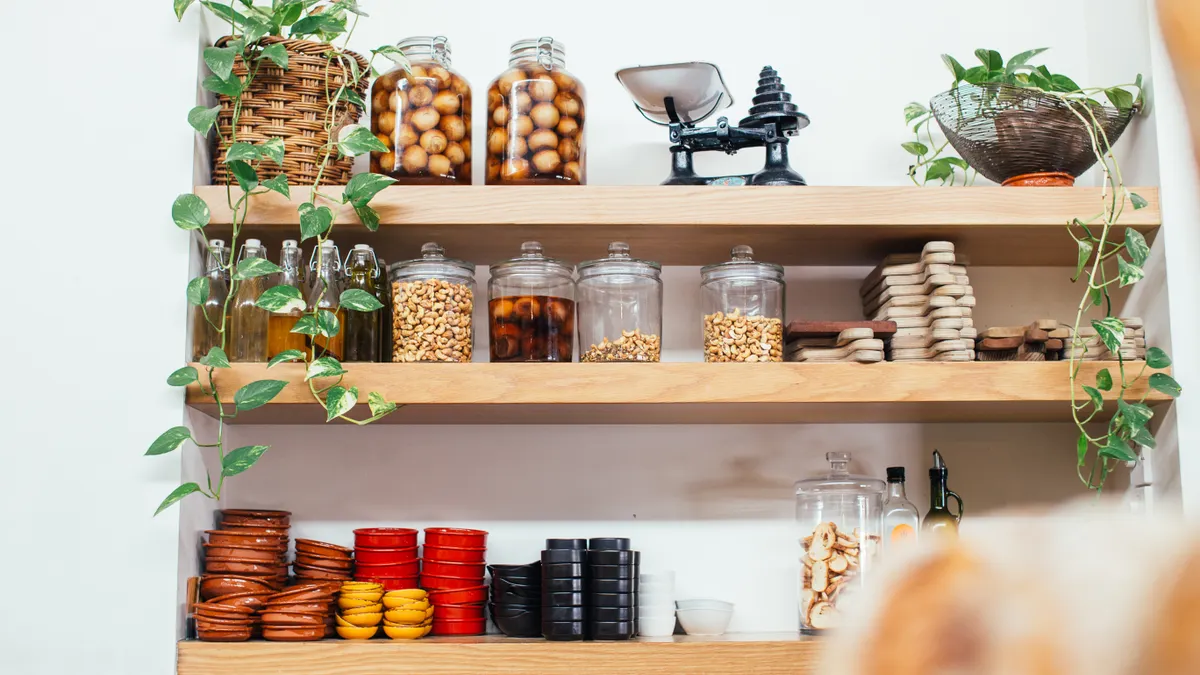
The most useful low-histamine pantry staples are simple grains, plain oils, salt, dried herbs, and a few emergency add-ins that turn one base into a meal. That short list gives you dinner without creating a fridge full of leftovers that may sit too long. Honestly, that matters more than fancy variety.
Start with grains that cook cleanly and store well:
- Rice: white rice is the easiest pantry base for many kitchens because it cooks fast, stays neutral, and pairs with nearly anything. Keep it in a sealed container; a 1–2 kg / 2–5 lb bag is easier to rotate than a giant bulk sack that lives open for months.
- Quinoa: plain quinoa brings a little more texture and protein than rice. Rinse it before cooking to remove bitterness. A 500 g / 1 lb bag is a practical size if you are still figuring out how often you will use it.
- Oats: plain rolled oats are useful for breakfast and for savory bowls. Choose unflavored oats with no spice blend, dried fruit, or “natural flavors” if those ingredients have been a problem for you.
Add fats and seasoning that do not complicate the dish:
- Olive oil: a straightforward olive oil is one of the most useful shelf-stable fats for sautéing, roasting, and finishing a bowl. Store it away from heat and sunlight.
- Salt: plain salt matters more than it sounds. It lets you season without reaching for packaged sauces that may bring in vinegar, yeast extracts, or spice blends.
- Dried herbs: parsley, basil, dill, oregano, and thyme are the kinds of herbs that can keep the pantry useful without a lot of risk. Buy single-ingredient jars, not mixed seasoning packets.
A few shelf-stable extras round out the base:
- Coconut milk: shelf-stable canned coconut milk is useful for quick soups and rice dishes. Check the ingredient list; a very simple version often contains only coconut and water, though some brands add stabilizers.
- Plain canned beans or lentils can be useful for some people, but this is where tolerance varies. If legumes are not reliable for you, skip them and lean on rice, quinoa, and eggs instead.
- Broth or stock is convenient only when the ingredient list is simple. Many cartons include onion, garlic, yeast extract, or “spices,” so treat them as optional and, if you are unsure, check with a clinician or dietitian before relying on them.
The wrong move is stocking a “healthy pantry” full of things you rarely eat. A jar of tahini, a fancy chili crisp, or a shelf of sauces looks useful until you realize one uncertain ingredient can make the whole batch hard to trust. That is why low-histamine pantry staples work best when they stay plain.
How do I build a pantry without buying a dozen risky extras?
Build it around 8 to 12 ingredients, then use those ingredients in repeatable combinations. That is easier to manage than trying to assemble a full low-histamine catalog on day one.
Use this order:
- Choose 2 grains: rice and quinoa, or rice and oats. Two bases cover breakfast and dinner without creating waste.
- Pick 1 neutral oil: olive oil is the most versatile choice for sautéing and dressings.
- Add 1 salt: plain fine salt or sea salt works. A grinder is optional, not necessary.
- Select 4 to 6 dried herbs: basil, parsley, dill, oregano, thyme, and rosemary are enough for variety.
- Buy 1 shelf-stable cream or fat: canned coconut milk is the easiest choice for soups and bowls.
- Keep 2 emergency proteins: if tolerated, canned fish or beans can help; if not, freeze plain chicken, turkey, or tofu in portion sizes you can cook within 24 hours of thawing.
- Reserve 2 backup vegetables: frozen peas, frozen cauliflower, or frozen green beans are often more practical than fresh produce that sits too long.
- Label everything: write the purchase date on the package with a marker, then use older items first so the pantry does not become a graveyard of half-used bags.
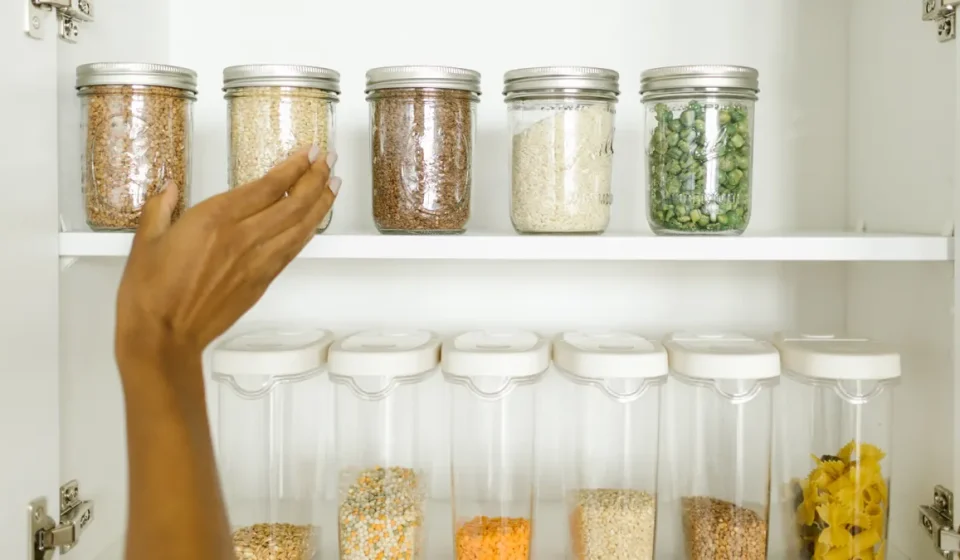
That sequence keeps the pantry small enough to manage and large enough to cook from. A single shelf can hold all of it if you use stackable containers for rice, oats, and quinoa. Clear containers help because you can see what needs restocking before you run out midweek. No scavenger hunt.
People overbuy spices here all the time. A rack with 20 jars looks prepared, but a low-histamine pantry works better with a smaller set of single herbs than with a wall of blends. Seasoning mixes often hide onion powder, garlic powder, citric acid, or “spices,” which can make troubleshooting much harder.
If you want a pantry that actually supports daily cooking, keep the rule simple: one grain base, one oil, one salt, a handful of herbs, and one or two shelf-stable extras you know you use. That gives you enough structure to cook, but not so much choice that everything expires at once. It also makes low-histamine pantry staples easier to buy again because you are not relearning the list every month.
Which grains and starches belong in a low-histamine pantry?
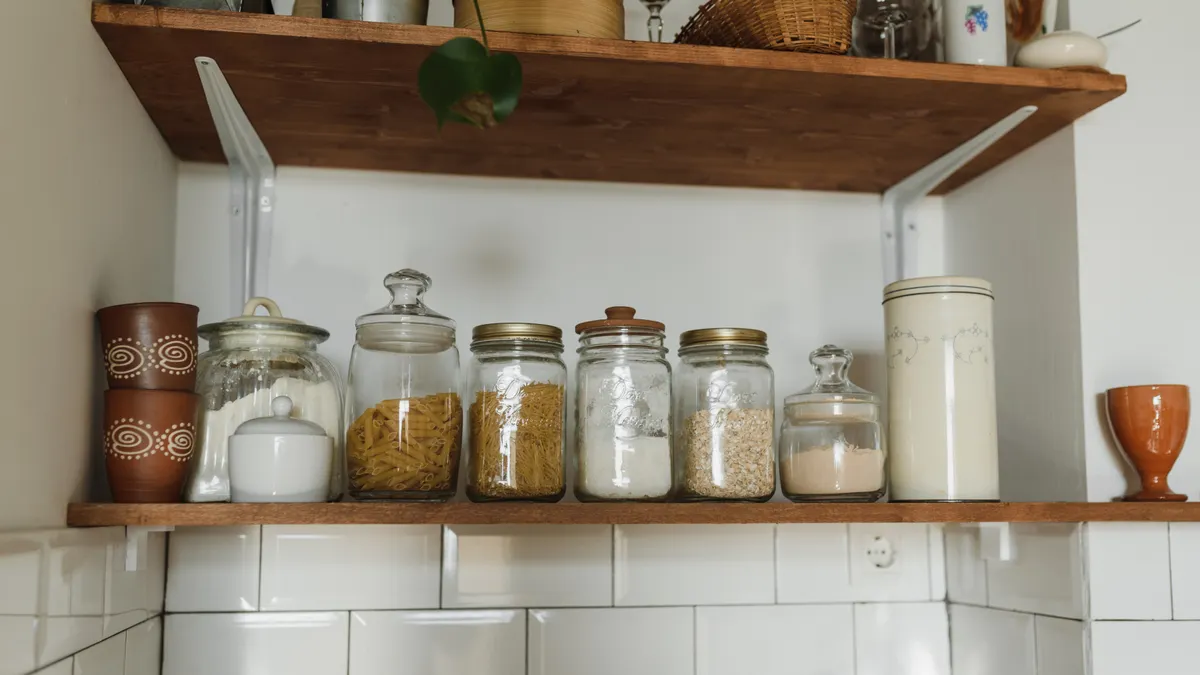
The best grains for a low-histamine pantry are plain, predictable options that cook consistently. Rice, quinoa, and oats cover most everyday needs.
Rice is the anchor. White rice is usually easier to work with than brown rice because it cooks faster and has a milder texture. It also reheats more predictably for a same-day lunch. If you cook rice, cool it promptly and refrigerate what you plan to eat later the same day; long countertop holding is a bad habit for any cooked grain.
Quinoa is useful when you want something less bland than rice. It cooks in about 15 minutes on the stove, usually in a 1:2 ratio of quinoa to water by volume, though package directions vary. Rinsing first helps reduce bitterness. It is a good base for olive oil, herbs, and a simple protein.
Oats pull double duty. Rolled oats can be breakfast, a savory porridge, or a quick binder in recipes. Keep them plain; flavored packets often contain cinnamon blends, dried fruit, or additives that complicate the ingredient list. If you use oats for overnight prep, keep the soak brief and cold, and discard anything that smells off rather than pushing the storage window.
If you tolerate other starches, plain rice noodles, millet, or potatoes can be useful, but this pantry article does not need to become a food list. The point is to keep your shelf-stable base small and dependable. A pantry with 3 grains you actually cook beats one with 8 grains and no rotation, and that is especially true when you are trying to keep low-histamine pantry staples simple.
One honest limitation: grains alone do not solve every meal. If you need higher protein, you will still need a separate plan for eggs, poultry, fish, tofu, or a legume you personally tolerate. That is a real trade-off, not a flaw in the pantry. The pantry is there to make the meal possible.
What oils, salt, and dried herbs are worth keeping?
The most useful oils, salt, and dried herbs are the plain ones with a short ingredient list and no seasoning mix attached. Simple ingredients are easier to track, easier to replace, and easier to use in a hurry.
For oils, olive oil should be the first bottle on the shelf. It works for low-heat sautéing, drizzling over grains, and making a quick dressing with salt and herbs. If you want a second oil, choose one with a neutral flavor and a short ingredient list, but there is no need to overstock. One 500 mL to 1 L bottle is often enough for a home kitchen that cooks a few times a week.
For salt, keep it plain. Fine salt dissolves quickly in soups and grain bowls; flaky salt is pleasant as a finishing touch, but it is not necessary. If you only buy one, buy the one you actually reach for.
For dried herbs, a useful core set is:
- parsley
- basil
- thyme
- oregano
- dill
- rosemary
Buy them in single jars, not in “Italian seasoning,” “poultry seasoning,” or other blends unless you have checked every ingredient. Mixed blends often save time, but they also hide ingredients you may not want. That is the trade-off: convenience versus control.
Dried herbs are not the same as fresh herbs in flavor intensity, so start small. A pinch, then a taste, is usually enough in a simple rice bowl. If you add too much, the dish can turn dusty or bitter. That is especially true with rosemary and thyme — they can take over fast.
A practical pantry detail: keep herbs in a dark cabinet, not above the stove. Heat and light flatten flavor faster than people expect. If the jar has been open for a long time and barely smells like anything, it is probably not doing much for your food anymore.
For many readers, this section is where the pantry starts to feel real. A bowl of rice with olive oil, salt, parsley, and a soft-cooked vegetable is not glamorous. It is dinner that does not require a second trip to the store, and it is the kind of meal low-histamine pantry staples are meant to support.
Emergency meal ingredients that save a bad week
The emergency meal ingredients that save a bad week are shelf-stable or freezer-stable foods that can become a meal in 10 to 20 minutes. They should be simple enough to trust when you are tired and hungry.
Keep at least one option from each group:
- A grain: rice, quinoa, or oats.
- A fat: olive oil or canned coconut milk.
- A seasoning: salt plus 1 or 2 herbs.
- A protein: whatever you tolerate reliably, such as eggs, plain poultry, or a simple shelf-stable option.
- A vegetable: frozen green beans, peas, or cauliflower.
That list lets you build fast meals without opening a dozen containers. Examples:
- rice + olive oil + dill + frozen peas
- quinoa + coconut milk + salt + basil
- oats + salt + olive oil + herbs for a savory bowl if sweet breakfasts are not working
- rice + a tolerated protein + parsley + frozen cauliflower
The most common mistake here is relying on “convenience” foods that are actually complicated. Boxed instant rice can be fine, but a flavored rice packet may include onion, garlic, or yeast extract. A canned soup may be quick, but if the label has a long ingredient list, it is no longer an emergency food you can trust.
Another mistake is keeping emergency ingredients in the fridge and forgetting them. If you want them to count as emergency food, they need a spot in the pantry, freezer, or front of the refrigerator where you see them first. A 1-minute visual check before grocery day helps more than most people expect.
This is also where a freezer can support the pantry. A shelf-stable pantry does not have to do all the work alone. If you portion and freeze cooked grains or proteins, you can combine them with pantry staples and keep meals moving during a rough week.
Shopping list planning that keeps the pantry useful
A useful shopping list is built from meals you can repeat 3 or 4 times, not from a wish list of every ingredient that sounds safe. That is how you avoid filling a cabinet with items that never become dinner.
Use a three-part shopping list:
- Base items: rice, quinoa, oats.
- Flavor items: olive oil, salt, dried herbs.
- Support items: coconut milk, one or two vegetables, and a tolerated protein.
That structure keeps the list short enough to manage in one store trip. It also helps you notice when you already have a version of the same ingredient at home. Two jars of oregano are not a pantry strategy.
Before you shop, check three things:
- Ingredient lists: avoid blends when the label is vague.
- Package size: buy sizes you can finish before the product gets stale.
- Storage space: if there is no room for another bag, do not buy it.
A good pantry setup also needs rotation. Put the newest rice or oats behind the older package so you use older food first. Keep a marker nearby and date opened bags. That habit takes 30 seconds and prevents the “what is this and how old is it?” problem that ruins a shelf-stable pantry.
If you want to make this even easier, keep a written master list on the fridge or inside a cabinet door. When a bottle of olive oil, a bag of rice, or a jar of dill drops below half, write it down right away. Waiting until the pantry is empty usually means you will buy the wrong thing in a hurry.
For the broader food safety picture that sits behind this pantry work, the hub on low-histamine food safety is the right place to go next. This page is about stocking the shelf so cooking gets easier.
What a low-histamine pantry is not good for
A low-histamine pantry is not the right place for long ingredient lists, heavy meal prep, or “maybe okay” foods that create guesswork. If the pantry depends on sauces, marinades, or leftovers from three days ago, it is working against you.
It is also not ideal for people who want variety above all else. Variety costs stability in this kind of kitchen. A smaller pantry with 10 dependable items is often more useful than a larger one full of things you may never use. That is why low-histamine pantry staples work best when they stay simple, repeatable, and easy to replace.
Drafted with AI; not yet reviewed by a person.