Last updated: October 24, 2026
A low-histamine kitchen is not about buying special gadgets first. It is about stopping food from aging, warming, or spoiling in ways that raise histamine and trigger symptoms. If you need the shortest answer: cook fresh, cool fast, freeze promptly, keep the fridge cold, and be ruthless about leftovers. This Low-Histamine Kitchen & Food Safety Guide gives a practical, answer-first overview of the low-histamine kitchen approach.
Histamine is not destroyed by normal cooking. Heat can kill bacteria, but it does not reliably remove histamine already present in food. That is why food safety and low-histamine eating overlap so much. The safest kitchen is usually the one that limits time, temperature abuse, and long storage as much as practical. For general food safety guidance, the USDA’s Food Safety and Inspection Service publishes the “2-hour rule” and refrigerator/freezer storage advice, and the FDA’s Food Code covers time and temperature control for food service settings.
I write about food systems, ingredient handling, and practical diet boundaries, so I look at low-histamine eating the way a cautious food-safety reader should: not as a wellness trend, but as a storage problem with medical consequences. In this Low-Histamine Kitchen & Food Safety Guide, the topic is the low-histamine kitchen and food safety, and the focus stays on handling and storage.
The one rule that changes everything in a low-histamine kitchen
The rule is simple: the older, warmer, and more processed the food gets, the less safe it is for many low-histamine eaters. Histamine rises mainly when protein foods sit too long before cooking, stay in the fridge for days, or are reheated from sloppy storage. That means the main job of the kitchen is not “making food healthy”; it is controlling time.
This is where most generic advice goes wrong. People are told to avoid “histamine foods” as if the list is fixed. In reality, the same food can be tolerated one day and trigger symptoms another day depending on freshness, handling, and storage. A tuna steak cooked immediately after purchase is not the same as a tuna salad made from fish that has already sat in the fridge for two days. The difference is not subtle.
The practical standard is freshness plus speed. Buy smaller amounts more often. Cook the same day if possible. Cool cooked food within about 2 hours, in line with USDA food-safety guidance, then refrigerate or freeze it. Do not leave soup, rice, meat, or sauces cooling on the stove all afternoon. If dinner may become tomorrow’s lunch, freeze it in portions instead of “saving” it in the refrigerator for later guessing.
This is also why a low-histamine kitchen is not a good fit for people who rely on big batch cooking and flexible leftovers. If you want a Sunday meal prep routine that feeds you for 4 or 5 days, this approach will fight you constantly. It is better suited to someone who can cook in smaller amounts, has a reliable freezer, and is willing to treat leftovers as a short-term exception rather than a daily habit, ideally with guidance from a clinician or registered dietitian familiar with food intolerance patterns. For general storage and handling advice, see the USDA Food Safety and Inspection Service and the FDA Food Code.
Key Takeaways:
- Histamine control depends more on handling and storage than on cooking method alone.
- Freshness matters, but freshness alone is not a guarantee.
- A cold fridge and a working freezer matter more than specialty tools.
- Leftovers are a major risk point unless they are cooled quickly and frozen promptly.
What foods are safest to keep in a low-histamine kitchen?
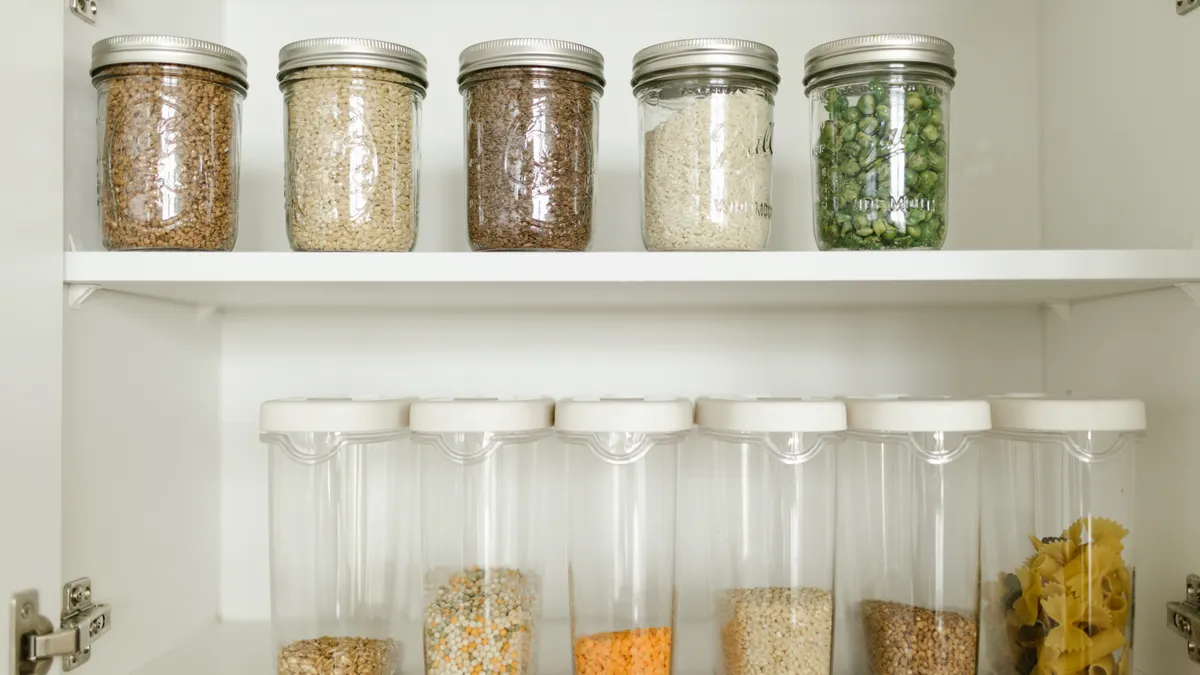
The safest foods are often the freshest foods, eaten soon after preparation when that is practical. That means most low-histamine kitchens revolve around fresh meat or fish cooked immediately, fresh vegetables, fruit that is tolerated individually, plain grains, and simple fats such as olive oil or butter if tolerated. The fewer storage steps a food has gone through, the better.
A generic “safe foods” list is useful only up to a point. Histamine tolerance is highly individual, and some foods that are low in histamine can still cause trouble because of other biogenic amines, additives, or personal sensitivity. For example, one person may do fine with eggs and another may not. One person may tolerate white rice stored briefly; another reacts to rice held too long after cooking. The list is a starting point, not a promise.
The biggest food-safety mistake is trusting “low histamine” labels without checking age and handling. Freshly cooked chicken is not interchangeable with pre-cooked deli chicken. A fresh cod fillet is not the same as vacuum-packed fish that has sat for several days. Canned, fermented, cured, smoked, and aged foods are commonly problematic because those processing methods often allow histamine to build or preserve conditions that do not help someone trying to keep levels low. If you are unsure how a specific food fits your medical situation, consult a clinician or registered dietitian and use an evidence-based source such as the USDA FoodKeeper guidance or FDA food-safety pages.
A practical kitchen should center on:
- Fresh meat and poultry cooked within 24 hours of purchase when possible
- Fish that is very fresh and cooked immediately
- Fresh vegetables, especially simple ones without sauce
- Plain grains prepared in small batches
- Fruits that your body already knows how to handle
- Simple seasonings, not spice blends with unknown additives
This section is not for people who want a broad, permissive menu. It is for someone who needs a repeatable, lower-risk pattern. If you are looking for a kitchen that can absorb restaurant leftovers, meal-prep containers, or a pantry full of fermented condiments, this is the wrong model. For a low-histamine kitchen, fewer ingredients usually beats more variety.
How should you store food so histamine stays lower?
Store food cold, fast, and in small portions. That is the core method, and it matters more than any single appliance. A fridge set at 40°F/4°C or below is the standard food-safety target in the United States, and a freezer at 0°F/-18°C or below slows food deterioration dramatically. Those temperatures do not erase histamine already present, but they reduce the chance that bacteria and enzymes keep working after cooking.
The most useful habit is portioning before storage. Large pots of stew, rice, or soup stay warm in the middle for too long if they are left in one heavy container. Split them into shallow containers so they cool faster. If a dish is going to be eaten again, cool it quickly and either eat it within a very short window or freeze it. For a low-histamine plan, the freezer is not a backup; it is part of the workflow.
Here is the practical rule I would use:
- Refrigerate perishable food within 2 hours of cooking or shopping.
- In hot conditions, cut that window to 1 hour.
- Cool in shallow containers rather than deep bowls.
- Freeze portions you will not eat soon.
- Reheat only once when possible.
A drawer full of “maybe later” containers is a bad sign in this kitchen. If you are not sure when you will eat it, freeze it. If you know you will not eat it within a day or two, freeze it. If the food is delicate, freeze it sooner than that.
The drawback is obvious: this system requires discipline and storage space. It is not as convenient as cooking a big batch of chili and eating it all week. It also creates more dishes and more planning. But for a person whose symptoms are tied to food age, convenience is not the right metric. Lower-risk handling is.
The food-safety logic here aligns with the USDA and FDA, but the low-histamine version is stricter than ordinary household practice. A standard kitchen might accept “leftovers by Friday.” A low-histamine kitchen often should not.
Which fridge habits help most — and which ones backfire?
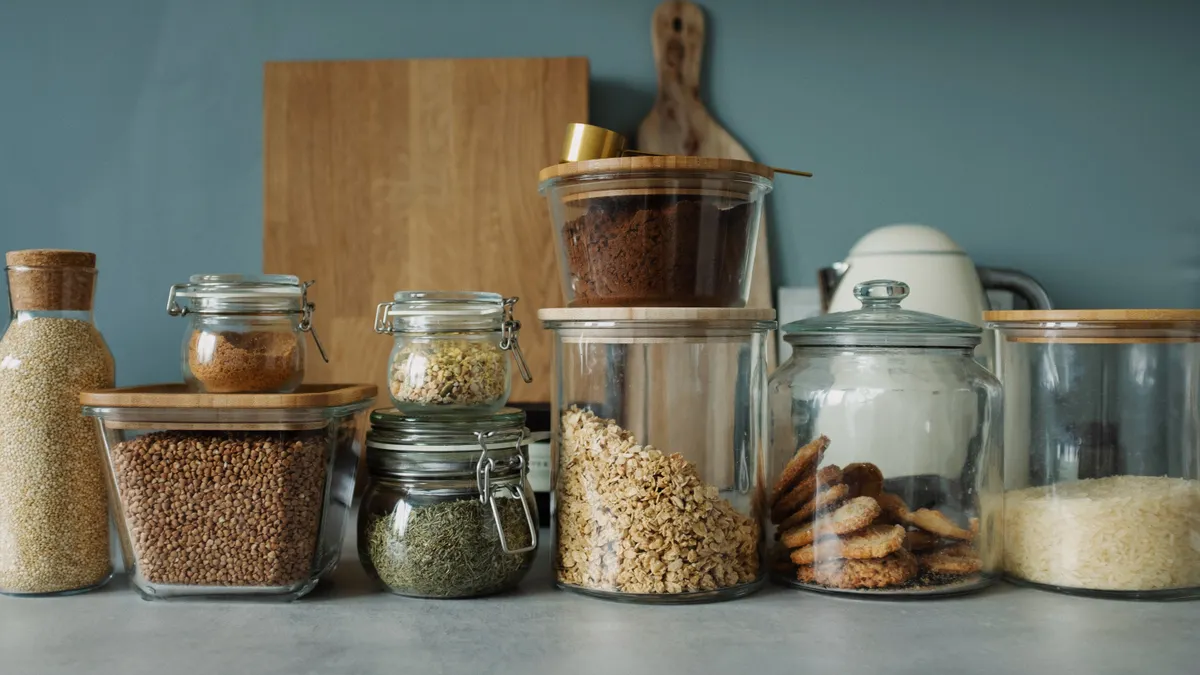
The best fridge habit is to treat the refrigerator as a short-stay holding zone, not a long-term pantry, even when the food looks fine on the surface. The worst habit is opening the door repeatedly, leaving food uncovered, or storing warm food in deep containers and assuming cold air will solve it. It will not.
A fridge that is technically cold can still fail a low-histamine eater if food sits too long in it. That is the part many people miss. Temperature matters, but duration matters just as much. A container of cooked meat held at a safe temperature for several days can still be a poor choice for someone sensitive to histamine buildup. This is why the ordinary food-safety mindset and the low-histamine mindset are related but not identical.
The habits that help most:
- Keep raw and cooked foods separate.
- Put a thermometer in the fridge if the built-in display is unreliable.
- Store leftovers on the shelf where the temperature is coldest, not in the door.
- Label containers with the cooking date and intended use date.
- Keep marinades, sauces, and salad dressings simple, fresh, and short-lived.
The habits that backfire:
- Storing a cooked meal “for the week.”
- Leaving rice, pasta, or meat to cool at room temperature for hours.
- Keeping fish or poultry in the fridge for several days before cooking.
- Using old condiments with long ingredient lists and vinegar-heavy formulas if those bother you.
- Forgetting what is in opaque containers until it is too late.
A lot of low-histamine frustration comes from fridge archaeology: opening containers days later and hoping they are still okay. That guesswork is the wrong system. Date every container. Freeze what you cannot confirm will be eaten quickly. If you need a meal plan that tolerates a busy week, consider cooking smaller portions more often instead of relying on storage.
This section is not for people who want “set it and forget it” meal prep. It is for people who want fewer reactions and are willing to pay with planning. The payoff is lower uncertainty at mealtime, not easier logistics.
What kitchen tools actually help in a low-histamine kitchen?
The most useful tools are boring: a reliable refrigerator thermometer, shallow storage containers, freezer-safe portions, and a timer. Fancy appliances are optional. A vacuum sealer can help some households with portioning, but it is not a magic fix for histamine. Food that is sealed in a bag can still age, and vacuum sealing does not make old food fresh again.
The best purchase for many kitchens is not a machine but a system. A stack of clear, shallow containers lets food cool faster and makes it easier to see what needs to be eaten or frozen. A fridge thermometer tells you whether the appliance is really holding 40°F/4°C or whether the built-in dial is lying. A labeler or masking tape and marker solves the “what day is this?” problem without much effort.
Useful items:
- Fridge thermometer
- Freezer thermometer if the freezer runs warm
- Shallow glass or food-safe plastic containers
- Small portion containers for single meals
- Ice bath setup or a method for rapid cooling
- Marker and labels
- Airtight containers for dry goods
Less useful, unless your routine supports them:
- Vacuum sealers
- Big meal-prep tubs
- Airtight boxes for warm food
- Fancy fermentation vessels
- Specialty “histamine neutralizing” products with vague claims
The main drawback of overbuying tools is false confidence. A vacuum sealer and a new appliance cannot fix a kitchen where cooked food still sits out too long. A fridge full of expensive containers can still house risky leftovers. If you only buy one thing, buy the thermometer. If you buy three, add shallow containers and freezer labels.
This advice is for the person who wants fewer flare-ups through process control, not for someone searching for a supplement-style workaround. The kitchen tools matter because they support a behavior change. They do not replace it.
How do leftovers fit into a low-histamine plan?
Leftovers are the hardest part of a low-histamine kitchen, and they should be treated as a limited exception, not a daily right. If a meal is likely to trigger symptoms after sitting, the safest move is to freeze it immediately in portions rather than hope it will still work tomorrow. That is the plain answer.
The usual leftover advice says to refrigerate food within 2 hours and eat it within 3 to 4 days. That may be acceptable for general safety, but many low-histamine eaters need a stricter system because histamine-related problems are not only about bacterial safety. The food can be “safe enough” by common food-safety rules and still not be a good fit for a sensitive person.
A better workflow looks like this:
- Cook a small batch.
- Serve the amount you will eat now.
- Cool the rest quickly in shallow containers.
- Freeze extra portions the same day if possible.
- Reheat only once.
- If in doubt, discard it.
This is especially important for protein foods such as meat, poultry, fish, and mixed dishes with broth or sauce. Those foods are often the most troublesome after storage. Rice and cooked vegetables may be easier for some people, but they are not automatically safe just because they are plant-based.
The downside is waste if the plan is sloppy. People who buy too much, cook too much, or forget to freeze portions end up throwing away food. That is frustrating and expensive. The fix is not to keep pushing leftovers longer; the fix is to cook less and portion more precisely.
If a person is unable to control leftovers because of job hours, caregiving, or household chaos, the low-histamine kitchen may need to be simplified further. A person in that situation may do better with very basic fresh meals, shorter ingredient lists, and fewer cooked holdovers altogether.
Can you eat out or use takeout at all?
Yes, but only in a narrow, controlled way, and not as an everyday default. Restaurant food is usually a poor fit for strict low-histamine eating because you cannot verify ingredient age, stock quality, sauce storage, marinades, or cross-contact. The food may be freshly cooked, but the components may not be fresh in the sense that matters here.
The safest restaurant choices tend to be simple and custom:
- Plain grilled meat or fish cooked to order
- Plain steamed vegetables
- Plain rice or potato, if tolerated
- Sauces and dressings on the side
- No leftovers boxed for later unless they will be frozen immediately and tolerated
The problems are common and predictable: pre-marinated proteins, sauces held in bulk containers, long-simmered broths, vinegar-heavy dressings, and “fresh” fish that was not actually handled as fresh as the menu implies. Sushi, smoked fish, deli salads, cured meats, and buffet food are especially risky for many people.
Takeout is a worse option than it looks because it combines unknown ingredients with unknown time. Food may sit in a warming tray, a delivery bag, or a car before it reaches you. That delay matters. If you rely on takeout often, your best bet is to choose the simplest possible order and eat it immediately, not save it.
This section is not for someone who wants a broad dining life with minor adjustments. It is for the person who knows that a bad meal can cost a day or more of symptoms. In that case, restaurant food should be treated as an occasional exception, not a nutritional pillar.
What should you do when the kitchen still fails?
If symptoms keep happening, tighten the system before you keep removing foods. The usual problem is not only the ingredient list; it is the hidden handling chain. A low-histamine plan fails when food is old, when the fridge is warm, when containers are too deep, when leftovers linger, or when “safe” foods are still being bought in a processed form.
The first things to check are mechanical:
- Is the fridge actually at or below 40°F/4°C?
- Are leftovers cooling in shallow containers?
- Are you freezing extras instead of storing them?
- Are you buying fish, meat, and produce often enough to keep them fresh?
- Are you using processed sauces, spice mixes, or condiments with long ingredient lists?
If those are all handled well and symptoms continue, the next step is not guesswork. It is working with a clinician or registered dietitian who understands food intolerance patterns, especially if the person is losing weight, avoiding too many foods, or dealing with multiple restrictions. Low-histamine eating can become too narrow very quickly. That is a real risk.
This is where many generic articles fail: they treat low-histamine eating as a permanent DIY project. It should not be if symptoms are severe, the diet is shrinking, or the person is relying on fear instead of clear patterns. A professional review can help separate histamine issues from other food reactions, medication effects, mast cell disorders, reflux, or unrelated gastrointestinal conditions. That kind of assessment is worth more than another anonymous food list.
The verdict: what a low-histamine kitchen really needs
Choose a strict freshness-and-freezing system if symptoms are clearly tied to leftovers, aged food, or variable meal timing. Choose a lighter version if you only need to reduce obvious triggers and can tolerate some ordinary leftovers within a day. Neither approach is right if you are already restricting so many foods that meals are becoming nutritionally thin or emotionally exhausting.
My recommendation is clear: build the kitchen around fresh cooking, shallow storage, fast cooling, a cold fridge, and prompt freezing. That is the best fit for most people trying to keep histamine exposure lower without turning every meal into a science project. It wins because it attacks the part of the problem that most often gets ignored: time.
The approach is not a good fit for someone who wants bulk meal prep, a heavily stocked fridge, or a pantry built on aged, fermented, smoked, cured, or long-held foods. It is also not a good fit for anyone who cannot maintain refrigeration discipline at home. In that case, the plan should be simplified until food handling becomes reliable.
A low-histamine kitchen is not glamorous. It is a set of habits: cook fresh, cool fast, freeze quickly, and stop trusting food that has aged too long. That is the whole method, and it is enough to change the outcome for many people.
Common questions about low-histamine food safety
How long can leftovers stay in the fridge?
For low-histamine eating, shorter is better, and freezing is safer than “keeping it a few more days.” General food-safety guidance allows refrigerated leftovers for several days, but that window is often too long for histamine-sensitive people. If you will not eat it soon, freeze it the same day.
Does freezing remove histamine?
No. Freezing does not remove histamine already present in food. It mainly stops more histamine from building quickly while the food is stored. That is why freezing works best when food is frozen soon after cooking or purchase, not after it has already sat around.
Is canned fish a bad idea?
For many people, yes. Canned fish is often a poor fit for a low-histamine kitchen because it is processed and stored long before it reaches your plate. If fish is a staple, very fresh fish cooked promptly is usually the safer route.
Are fermented foods ever okay?
Sometimes, but they are a common trigger and usually a poor default choice. Fermented foods such as sauerkraut, yogurt, kimchi, soy sauce, and vinegar-heavy condiments often sit high on the risk list for sensitive people. If symptoms are active, they are usually better left out at first.
Drafted with AI; not yet reviewed by a person.