Last updated: October 20, 2026
Quick answer: For How to Store Low-Histamine Food: Fridge, Freezer, and Leftover Rules, keep cooked food out of the temperature danger zone for as little time as possible, refrigerate at 4°C / 40°F or colder, and freeze it the same day if you will not eat it soon. If histamine intolerance is the reason you are changing how you eat, the fridge and freezer matter as much as the recipe, and a qualified clinician or dietitian can help you tailor the plan.
Key takeaways
- Cooked food starts changing as soon as it sits warm on the counter, so speed matters more than elaborate meal prep.
- The fridge is for short holding only; the freezer is the safer choice when you will not eat a cooked meal soon.
- Shallow containers, small portions, and quick cooling reduce the time food spends in the temperature range where spoilage and histamine build-up become more likely.
- Reheat once, eat once, and do not keep opening the same container for days.
- Some foods are easier to manage than others, but the storage method matters more than the label on the recipe.
The storage rule that matters most for histamine control
The most reliable habit is to cool cooked food quickly and get it into the fridge or freezer as soon as it is no longer steaming hot. Histamine build-up is a time-and-temperature problem, so the goal is to shorten the period between cooking and cold storage.
Use this rule for cooked proteins, rice, soups, stews, and batch-cooked vegetables:
- Portion the food into shallow containers within 30 to 60 minutes of cooking. Use containers that spread the food out in a layer no deeper than about 5 cm, or roughly 2 inches. The food should stop steaming hard and lose heat quickly.
- Leave the lid ajar at first if the food is still very hot. This lets steam escape instead of trapping heat. When the container is warm rather than hot, close it and move it to the fridge or freezer.
- Put the container in the coldest part of the fridge or straight into the freezer. The fridge should be at 4°C / 40°F or colder. If you can get the food into the freezer right away, that is often the better choice for histamine-sensitive eaters.
- Label it with the cook date and a planned use date. A plain marker on masking tape works. When the label is clear, the food gets eaten on time instead of being guessed at later.
- Use it in one sitting after reheating. The food should look and smell normal, but smell is not a reliable safety check. The real win is that the food spent as little time as possible warm or half-warm.
The mistake that causes the most trouble is leaving a pot of soup or a tray of rice on the counter “until it cools.” That can turn a simple lunch into a leftover that sits in the danger zone for too long. The fix is boring but effective: split it up into smaller containers before refrigeration.
For general food handling basics, the USDA food safety guidance on refrigeration and leftovers is a solid reference, and the FDA’s food code explains the 2-hour cooling rule used in food service settings. Those are not histamine-specific documents, but they support the same temperature logic.
How to store low-histamine food in the fridge
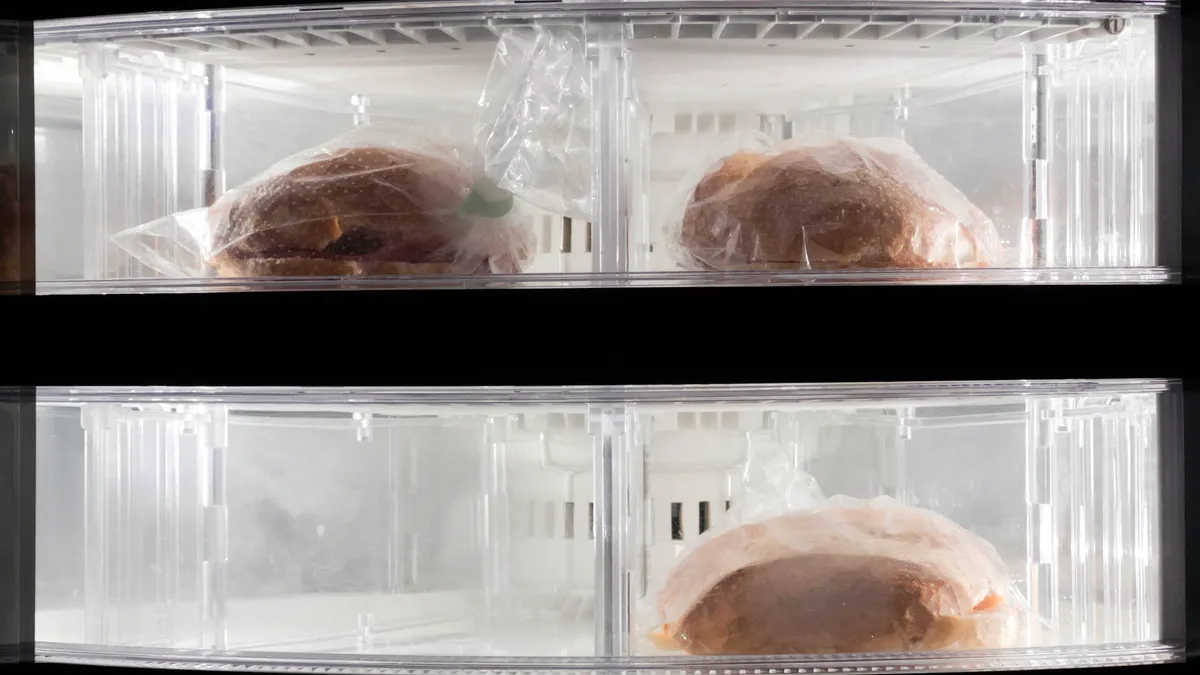
The fridge is for short storage, not for stretching cooked food for several days. If you are keeping a low-histamine meal in the refrigerator, the point is to slow change, not stop it completely.
Use a fridge strategy that favors speed and short turnover:
- Keep cooked food in shallow, sealed meal prep containers. Glass or BPA-free plastic both work if they seal well. The key is a tight lid and a shape that cools quickly, not the material alone.
- Place the container where the fridge stays coldest. The back of the middle or lower shelves is usually steadier than the door, which warms every time it opens.
- Store one meal per container when possible. A single-serving container reduces repeated warming from scooping portions out over several days.
- Plan to eat refrigerated cooked food soon. For a histamine-sensitive eater, “soon” is usually a much shorter window than the broad leftovers advice you see elsewhere. If a meal has been sitting for more than a day or two, freezing it earlier next time is the safer pattern.
- Keep raw and cooked foods apart. Raw meat juices dripping onto ready-to-eat food create a separate food-safety problem, and that is the last thing you want when you are already managing symptoms carefully.
This is where people often overtrust the fridge. A refrigerator slows growth, but it does not make food immortal. A container of chicken or soup that looks fine on day 3 can still be a poor fit for someone avoiding histamine swings.
This approach is not for anyone who wants to cook once and eat the same batch all week from the fridge. If you need true weekly convenience, the freezer has to carry most of the load. That is especially true for cooked proteins, which are better frozen promptly than left to sit cold for days.
How to freeze meals without wrecking texture
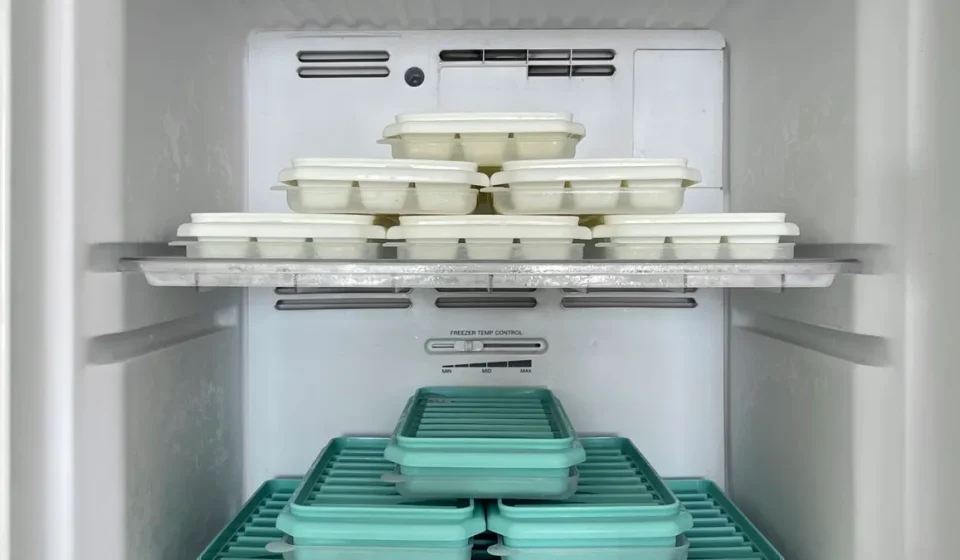
Freeze meals as soon as they are cool enough to handle, and freeze them in meal-sized portions so you can thaw only what you need. For How to Store Low-Histamine Food: Fridge, Freezer, and Leftover Rules, the freezer is often the safest choice when the meal will not be eaten within a short fridge window.
Follow these steps:
- Cool the food first, but do not let it sit out for hours. For soups, rice, and cooked proteins, aim to move from cooking to cold storage quickly. The food should be warm, not hot enough to fog the container.
- Pack each portion flat or shallow. Thin frozen packages freeze faster and thaw more evenly than a deep lump in one container. A flat bag of soup or a shallow freezer box works better than a large tub packed to the top.
- Leave a little headspace in rigid containers. Liquids expand when frozen. If the container is full to the brim, it can crack or force the lid open.
- Use freezer-safe meal prep containers or bags. Not every fridge container survives the freezer. A container marked freezer-safe is less likely to crack, warp, or leak.
- Write the date on every package. If several meals look identical, the date becomes the only reliable difference.
- Freeze within the same day when possible. The shorter the path from cooking to freezing, the better the food storage plan fits histamine control.
- Thaw in the fridge, not on the counter. Move the meal to the refrigerator the day before you plan to eat it. That keeps thawing controlled and limits the time the food spends warm.
- Reheat once and finish it. Freezing does not make a meal reusable forever. Once it is thawed and reheated, a cautious one-time use is the safer approach; if you need a more specific plan for symptoms or medical reasons, consult a qualified professional.
Texture is the main trade-off. Rice can dry out a little, soups may separate, and some proteins lose moisture after freezing. That is a quality problem, not a histamine problem, but it can make the food less appealing. If that happens, freeze the meal in sauce, broth, or smaller portions so it reheats better.
A practical sign that the system is working: you can open the freezer and know exactly what each container is, when it was cooked, and when it should be eaten. If you are guessing, the system is already too loose.
What to do with cooked proteins, rice, and soups
Cooked proteins, rice, and soups should be handled as time-sensitive leftovers, not as flexible pantry food. These three staples are common in low-histamine cooking, but they also create the most storage mistakes.
Cooked proteins
Chicken, turkey, beef, fish, and eggs all need fast cooling. Fish is the least forgiving, so if it is part of your rotation, freeze it as soon as it has cooled enough to pack. Put cooked protein into a single meal container or a freezer bag with the air pressed out. The result should be a flat, easy-to-reheat portion rather than a dense block that thaws unevenly.
Rice
Rice is a common batch-cook food, but it should not linger warm on the counter. Spread it in a shallow dish first so it cools quickly, then refrigerate or freeze it. A good sign is that the center of the portion is cool within a short time, not still warm hours later. If you know you will not eat it soon, freeze the rice the same day.
Soups and stews
Soups are easy to cool if you split them into smaller containers. A wide, shallow container cools much faster than a tall pot left in the fridge. If the soup contains protein, beans, or grains, a cautious approach is to treat it like a full meal and give it the same fast path to cold storage. Soup that sits in a deep stockpot is a classic leftover mistake because the middle stays warm long after the surface feels cool.
For all three foods, the rule is simple: if it was cooked today and will not be eaten soon, freeze it today. That rule is more useful than trying to remember a different timetable for every ingredient.
Leftover rules that keep storage simple
Leftovers are safest when they follow one cycle: cool, store, reheat, eat, done. Do not keep the same container on rotation for days.
Use these leftover rules:
- Do not leave cooked food out for long cooling sessions. Once the food is no longer actively steaming, get it into cold storage.
- Reheat only the amount you will eat. Reheating the whole container and cooling the rest again is a bad habit for histamine-sensitive food storage.
- Do not reheat the same leftovers twice. Each extra heat-and-cool cycle increases the chance of quality loss and gives the food more time to change.
- Do not mix fresh food into an old leftover container. That resets nothing; it only makes the age of the food harder to track.
- Discard food that smells off, looks slimy, or sat much longer than planned. With histamine intolerance, “probably okay” is not a great standard for leftovers.
The biggest hidden problem is nibbling from the same container over two or three days. Every spoonful opens the lid, warms the food, and adds handling. A better method is to freeze the meal in single portions so you only thaw what you will actually eat.
This is also the point where many people need to adjust expectations. Low-histamine food storage is not about making leftovers impossible; it is about making them predictable. Predictable storage is what lowers the odds that a meal becomes a symptom mystery later.
If a recipe produces more than two servings and you know you will not finish it quickly, divide it at once. That one move is easier than trying to rescue a large container later.
Meal prep containers and fridge setup that make this easier
The right meal prep containers reduce mistakes before they start. A good system uses containers that cool fast, seal well, and fit the way you actually eat.
Choose containers with these traits:
- Shallow shape for fast cooling. A container around 5 cm / 2 inches deep is easier to chill than a deep bowl.
- Tight lids. A secure seal keeps odors out and reduces drying.
- Freezer-safe labeling. This matters if the same container goes from fridge to freezer.
- Clear sides or a good labeling area. Being able to see what is inside saves time and reduces the chance of forgetting a container.
Glass has the advantage of not staining and handling odor well. Plastic is lighter and easier to carry. Either can work if it seals and fits your freezer shelf. The wrong container is usually one that is too deep, too large for one meal, or impossible to label clearly.
A simple fridge layout helps too:
- Keep a “use first” shelf for cooked proteins and soups.
- Put newly cooked meals in one area, older meals in another.
- Store freezer meals together in a basket or bin so they are easy to find.
- Keep a marker and tape in the kitchen so dates get written immediately, not later.
If you are building a broader low-histamine routine, the storage rules on this page fit into the bigger food safety approach on the low-histamine food safety hub. That hub belongs with meal planning; this page is about what to do after the food is cooked.
The wrong move is buying a stack of attractive containers and never assigning them a job. The useful move is fewer containers, clearly labeled, all the same size or two sizes at most. That simplicity makes it more likely you will actually follow the system on a tired weeknight.
When not to keep food for later
Do not keep food for later if you cannot cool it quickly, label it clearly, or remember when it was cooked. Those are the real failure points, not the recipe itself.
Skip leftover storage, or freeze immediately, when:
- the meal stayed warm for too long before chilling,
- you are not sure how old it is,
- you opened the container repeatedly over several days,
- the food contains ingredients that already tend to be troublesome for you,
- you know you will not get to it within a short fridge window.
This is the honest trade-off of low-histamine food storage: it asks for more planning than a standard leftover routine. In exchange, it gives you more control over what reaches your plate. If your schedule makes same-day cooling impossible, batch cooking may still work, but only if freezing becomes the default instead of the backup.
If symptoms are severe or unpredictable, talk with a qualified clinician or dietitian before making major food changes. Histamine intolerance can overlap with other conditions, and a storage strategy cannot replace medical guidance.
How long can leftovers stay in the fridge on a low-histamine diet?
Not very long compared with a casual leftover habit. On a low-histamine diet, the fridge is best treated as a short stop, not a holding zone for most of the week. If you know you will not eat the meal soon, freeze it while it is still fresh enough to store well.
Is freezing food better than refrigerating it for histamine intolerance?
Yes, freezing is usually the safer choice when you want to hold cooked food beyond a short period. The fridge slows change, but the freezer stops most of the problem by putting the food at a much colder temperature.
Drafted with AI; not yet reviewed by a person.