Last updated: October 20, 2026
Key Takeaways
- Keep low histamine cooking methods short so food moves quickly from prep to plate.
- Steaming, boiling, and pressure cooking are the quickest straightforward options for many foods.
- A fast low histamine meal uses one protein, one starch, and one vegetable, cooked in under 30 minutes.
- Steaming is the gentlest all-purpose method, boiling is the most even, baking is easy to scale, and roasting adds the strongest texture.
Low-histamine cooking methods are the ones that get food from raw to table fast, with little fuss and minimal time sitting around. Best Low-Histamine Cooking Methods is the topic here, and if histamine intolerance is the concern, the starting point is simple: cook fresh ingredients promptly, use short methods like steaming or boiling, and avoid slow, warm holding.
The quickest answer: cook fresh, hot, and straight to the plate
The practical answer is to use low histamine cooking methods that shorten the time food spends between prep and eating. That usually means steaming, boiling, pressure cooking, baking, or a fast roast, with an emphasis on very fresh ingredients and immediate serving.
Histamine rises as foods age and sit, so the method matters less than the total time chain: purchase or thaw, prep, cook, eat. A 15-minute steamed meal is usually a better fit than a 3-hour braise, even if both use plain ingredients. That is why this topic is about time-to-table, not just technique.
For a broader food-safety framework, the low-histamine food safety hub is the right place to start; this guide stays focused on cooking methods and practical prep choices. For related planning, the low histamine meal prep guide and low histamine foods list can help you choose ingredients before cooking.
The methods below are not magic fixes. They do not “remove” histamine from a food that already has a lot of it, and they cannot rescue old leftovers. They help by keeping cooking short, reducing handling, and limiting the chance that a dish sits warm for hours. For the science behind food storage and histamine formation, see the U.S. FDA food safety guidance and Cleveland Clinic’s overview of histamine intolerance.
Which cooking methods are safest for low histamine?
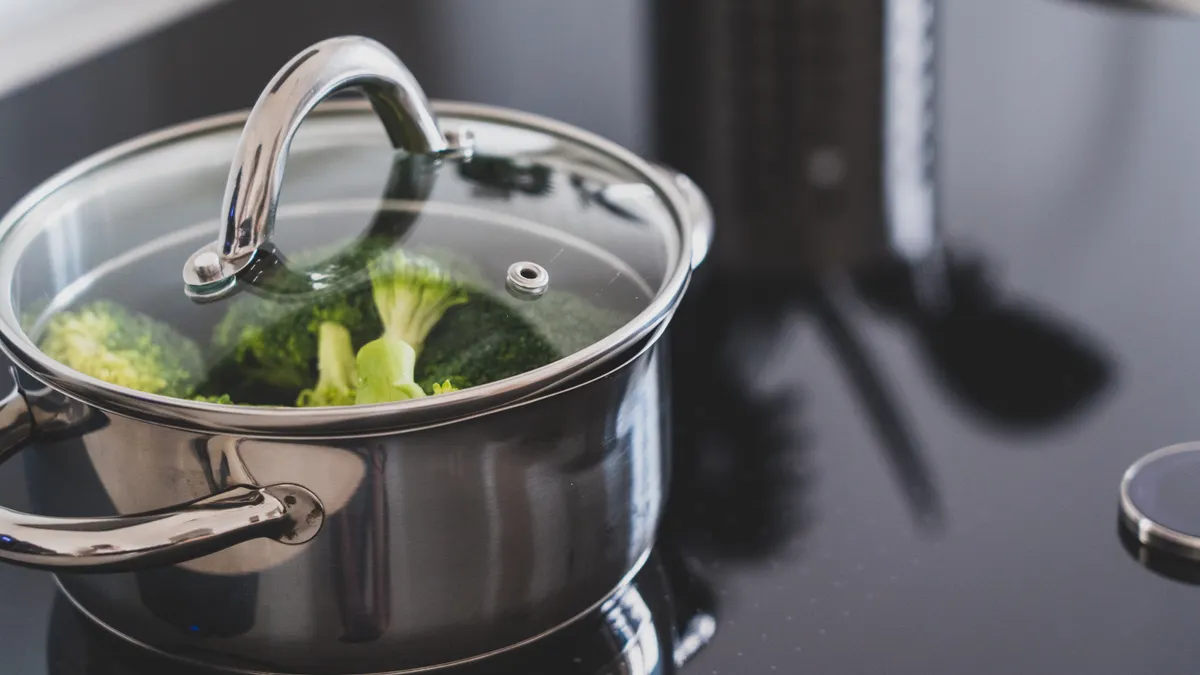
Steaming and boiling are the most straightforward options, and pressure cooking is a fast way to get dense foods cooked through without a long simmer.
Here is the rough hierarchy for a person trying to keep things gentle and quick:
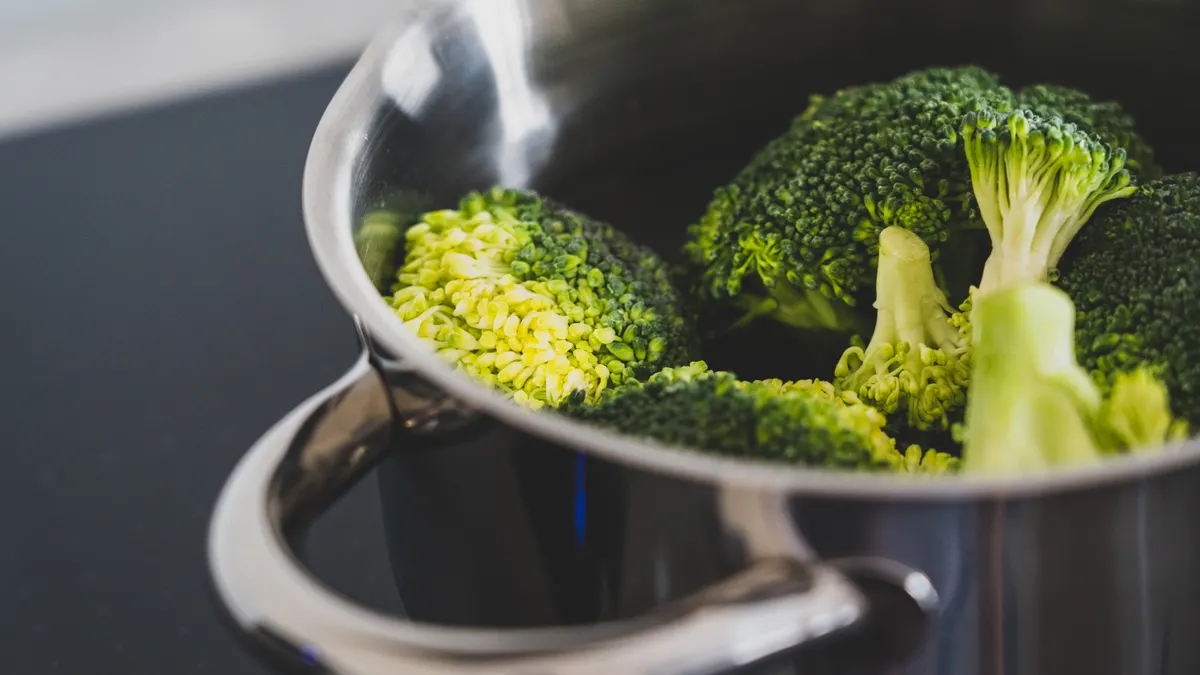
- Steaming: Best for vegetables, fish, and delicate chicken pieces. A basket over simmering water keeps contact gentle and usually finishes in 5 to 15 minutes depending on the food.
- Boiling or poaching: Good for potatoes, rice, eggs, and simple proteins. The liquid heats food evenly and avoids browning, though it can leave flavors plain.
- Pressure cooking: Very efficient for soups, meats, and grains. It cuts cooking time sharply, but the pot still needs prep and natural or quick release time, so it is not “instant.”
- Baking: Works when you want a hands-off method, especially at moderate oven temperatures. A small tray of fillets or vegetables can be done in 15 to 25 minutes.
- Roasting: Useful for sheet-pan meals, but it is less forgiving than steaming or boiling because it can dry food out and takes more oven preheat time.
The methods I would skip as default choices are slow cookers, long braises, and any technique that keeps food warm for hours. Those are convenient for flavor, not for speed. A slow cooker set on low for 6 to 8 hours is the opposite of what most people want here, even if the ingredients started fresh.
A useful rule: the more a method depends on long, moist heat or extended holding, the less suitable it is for a low-histamine routine. For recipes that need quick assembly, the low histamine dinner ideas page can help you keep the rest of the meal simple.
How do I cook a low-histamine meal fast?
The fastest low histamine meal is built around one protein, one starch, and one vegetable, all cooked in under 30 minutes from fridge to plate.
Use this order to keep things moving:
- Choose a fresh protein and a fast side. A 120- to 180-gram fillet, a few eggs, or a thin chicken cutlet cooks faster than a thick roast. Pair it with rice, potatoes, zucchini, carrots, or green beans.
- Start the starch first. Put rice on the stove or potatoes in boiling water so the longest item begins immediately. Rice often needs about 12 to 18 minutes, while potato chunks need roughly 10 to 15 minutes depending on size.
- Prep the vegetables in 1- to 2-centimeter pieces. Smaller cuts cook in 5 to 10 minutes by steaming or boiling and help everything finish together.
- Cook the protein with a simple method. Steam fish for about 8 to 12 minutes, bake chicken pieces at a moderate oven temperature until fully cooked, or use a pressure cooker if the cut is thicker and the clock matters.
- Season at the end with fresh herbs. Parsley, basil, dill, or chives give flavor without requiring a long sauce. Add salt only if it fits the diet you are following.
- Plate immediately. A low-histamine meal works best when it moves from heat to table without a warm holding stage.
One-pan meals fit this approach if the ingredients finish at about the same time. A tray of fish, zucchini, and potato wedges can work well when the cuts are sized carefully and the oven is already hot. The drawback is uneven timing: one ingredient can overcook while another is still firm. For more meal structure, the low histamine meal prep guide can be a useful next step.
This is also where batch cooking becomes tricky. Batch cooking can save time, but it should be limited to the cooking step, not the sitting step. If a recipe takes 25 minutes to cook, it should not then spend another hour warm on the stove. The method should shorten the whole path to eating.
Steaming, boiling, baking, and roasting: what each method does best
Steaming is the most gentle all-purpose method, boiling is the most even, baking is the easiest to scale, and roasting gives the strongest texture.
Steaming suits fragile foods. Fish fillets, asparagus, spinach, zucchini, and thin chicken cutlets all do well because steam transfers heat quickly without direct contact with pan surfaces. The downside is limited browning and a softer texture. If someone wants crispy edges, steaming will disappoint.
Boiling or poaching works best when texture matters more than color. Eggs, potatoes, rice, and simple soups are easy to control. The trade-off is dilution: some foods lose flavor into the water, and overboiling can make vegetables limp. A covered pot and a timer help keep the result consistent.
Because oven time affects freshness, baking is the easiest method for a single tray. Set the oven, line the pan, and cook until the center is done. Baking at a moderate temperature is useful when several items need the same heat source. The trade-off is that oven preheating adds time, and lean proteins can dry out if left too long.
Roasting is better when a little browning is welcome. It works for carrots, potatoes, squash, and some proteins, especially on a sheet pan. The drawback is that roasting often takes longer than steaming or boiling and can tempt people into using marinades or sauces that sit before cooking. For a low-histamine routine, keep the seasoning simple and the schedule tight.
For anyone choosing between them, the question is not “Which method is healthiest?” It is “Which method gets this exact food cooked well in the shortest clean window?” That answer is often steaming for delicate foods, boiling for starches, and baking or roasting only when the tray format genuinely saves time.
What makes a slow cooker a poor fit for low histamine?
A slow cooker is usually a poor fit because it stretches both cooking time and warm exposure.
A slow cooker can be convenient for busy schedules, but the long, low heat pattern is exactly what many low-histamine eaters try to avoid. A recipe that runs for 6 to 10 hours may be practical for flavor development, yet it keeps food in the system far longer than a quick stove-top meal. That matters when the goal is freshness, not just doneness.
There is another drawback: slow cookers encourage “set it and forget it” meals that may sit on Warm for an extra 1 to 2 hours. That extra holding time is not the friend here. Even when the recipe starts with fresh ingredients, the total time-to-table becomes long enough to work against the purpose of the diet.
That does not mean a slow cooker is always wrong. It can be useful for someone who can program it tightly, cook straight from fresh ingredients, and eat immediately when it finishes. But it is not the first recommendation, and it is definitely not the right tool for someone who depends on convenience because the meal may sit for a while after cooking.
If the choice is between a 20-minute pressure cooker dinner and an 8-hour slow cooker stew, the pressure cooker is the more honest low-histamine option.
When pressure cooking helps and when it doesn’t
Pressure cooking helps most when a food is dense, plain, and slow by nature.
A pressure cooker is a strong option for chicken thighs, tougher cuts of meat, dried beans if they fit the person’s diet, and grains that normally take longer on the stove. The advantage is straightforward: the high-pressure environment shortens cook time dramatically compared with conventional simmering. A pot that might need an hour on the stove can often be finished in a much shorter active window.
That speed comes with a few costs. First, the cooker still needs time to come up to pressure and release pressure. Second, pressure-cooked food can turn soft quickly, especially vegetables. Third, the format works best with recipes that are simple and tightly controlled; it is not ideal for recipes that need layering, long reduction, or final browning.
Pressure cooking is not the best choice for every ingredient. Delicate fish, thin vegetables, and foods that should stay crisp are better steamed or baked. If the goal is a bright vegetable plate, pressure cooking is too aggressive. If the goal is a fast, plain protein with a starch on the side, it can be one of the best tools in the kitchen.
A practical way to use it is to reserve pressure cooking for the items that would otherwise force a long simmer. That keeps the rest of the meal fresh and avoids the slow-cooker problem in another form.
Fresh herbs, raw vs cooked foods, and the parts people miss
Fresh herbs are one of the easiest ways to make a low-histamine meal taste complete without adding time.
Parsley, basil, dill, cilantro, chives, and mint can be chopped at the end and scattered over steamed vegetables, roasted potatoes, or baked fish. The benefit is not just flavor; it is that fresh herbs let you skip bottled sauces and long marinades, which often complicate a low-histamine routine. A small handful is enough. There is no need for heavy seasoning or long steeping.
Raw versus cooked is a more personal decision than many articles admit. Some people tolerate raw vegetables well; others do better with cooked foods because they are easier to digest and gentler to chew. From a cooking-method point of view, cooked foods are usually the safer default because they can be made quickly and served immediately. Raw foods can be part of the menu, but they do not solve the freshness problem if they sit prepped for too long.
The most common mistake is treating “raw” as automatically better and “cooked” as automatically worse. That misses the actual issue, which is time. A raw salad that sits chopped for hours may be a worse fit than a steamed vegetable plate that hits the table in 10 minutes.
Another mistake is overcomplicating one-pan meals. A tray with five ingredients and three sauces sounds efficient, but it often adds prep time and leaves one component overdone. The cleaner version is one protein, two vegetables, one starch, and fresh herbs at the end. That keeps the method simple enough to repeat on a weeknight.
If a person wants variety without extra strain, the answer is to rotate the method, not the complexity: steam one night, bake the next, pressure cook when time is tight, and keep the ingredient list short. For ingredient swaps, the low histamine foods list can help you stay within the same framework.
Is slow cooking bad for histamine intolerance?
Slow cooking is usually a poor choice for histamine intolerance because it extends cooking and holding time. The long heat cycle can fit convenience better than freshness, which is the wrong trade-off for this topic. If a slow cooker is used at all, it should be for a tightly timed meal that is eaten right away, not kept warm for hours.
Which cooking methods are safest for low histamine?
Steaming and boiling are usually the safest starting points because they are fast, controlled, and easy to keep simple. Pressure cooking is also useful when a food would otherwise need a long simmer. Baking can fit well too, as long as the oven time is short and the food goes straight from pan to plate.
Does cooking reduce histamine in food?
Cooking does not reliably reduce histamine in food. It can change texture and make some foods easier to digest, but it does not reset an old ingredient into a fresh one. That is why cooking method matters most when paired with very fresh food and immediate serving, not as a fix for storage or age.
Drafted with AI; not yet reviewed by a person.