Last updated: August 11, 2026
- Tier 1 foods should make up 70–80% of what you eat.
- Avocado oil handles higher heat better, with a smoke point around 500°F — useful if you’re searing.
- Check that “100% whole grain” appears as the first ingredient.
- Dark chocolate : 70% cacao or higher.
Most people asking about nutrition aren’t hunting for a new superfood. They want a straight answer to a simpler question: what should I actually eat day to day, and what’s worth cutting out? After years of writing about food and health, that’s still the question I hear most. This guide tackles it directly — practical categories, honest trade-offs, a framework that works whether you’re shopping at Whole Foods or a corner grocery.
The core principle: prioritize whole foods over processed ones, get protein and fiber at most meals, and avoid added sugars and trans fats as your default. Everything else is context-dependent.
Why Most Food Guides Miss the Point
Most nutrition articles either collapse everything into “good” and “bad” camps or bury you in micronutrient charts. Neither helps when you’re standing in a grocery aisle deciding between Greek yogurt and a protein bar.
A more useful approach separates foods into four tiers based on how they affect satiety, blood sugar, inflammation, and long-term health outcomes. Not ranking kale against spinach. A decision system that holds up when you’re tired, hungry, and staring at a menu.
Tier 1 foods should make up 70–80% of what you eat. Tier 2 options fill gaps and add variety. Tier 3 is fine occasionally. Tier 4 has enough evidence of harm that I’d minimize them completely.
Tier 1: Foods to Build Every Day Around

Strongest evidence for reducing chronic disease risk. Nutrient-dense, minimally processed, and — crucially — most of them fill you up before you overeat them.
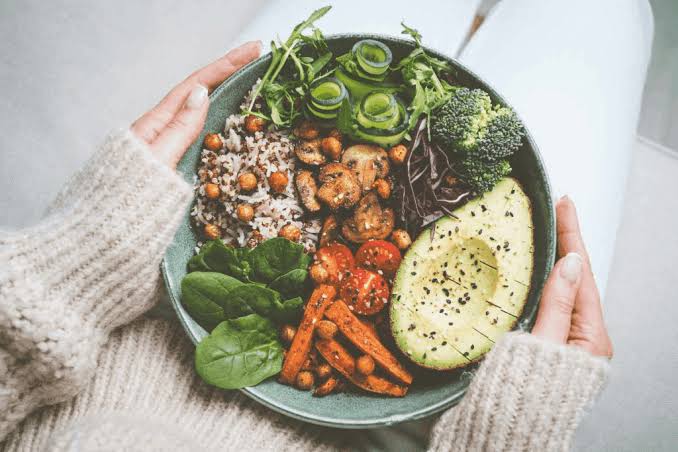
Vegetables (especially non-starchy ones): Leafy greens, cruciferous vegetables like broccoli and Brussels sprouts, peppers, tomatoes, zucchini, mushrooms, asparagus. The Dietary Guidelines for Americans recommend 2.5–3 cups daily for most adults, and the research on disease prevention is about as solid as nutrition science gets. High fiber, low calorie density, rich in polyphenols and carotenoids.
Lean proteins: Chicken breast, turkey, white fish like cod or tilapia, shellfish, eggs, tofu, tempeh, legumes. Protein supports muscle maintenance, satiety, and metabolic health. Fattier cuts of animal protein often come with saturated fat — worth considering if you’re managing cholesterol. Legumes add fiber but fall short on some amino acids unless you pair them with grains.
Whole grains: Steel-cut oats, quinoa, brown rice, farro, barley. Keeping the bran and germ intact means more fiber and a slower glucose response than refined grains. The big caveat: portion size matters more here than most people realize. A cup of cooked quinoa runs about 220 calories and 40g of carbs — fine as part of a balanced plate, but the math stops working fast if it dominates the meal.
Fruits (especially berries and low-glycemic options): Blueberries, strawberries, raspberries, apples, pears, citrus, kiwi. Whole fruit delivers fiber alongside sugar, which blunts the blood sugar spike you’d get from juice or candy. Berries in particular are loaded with anthocyanins, which carry anti-inflammatory effects. Honestly, the downside is mild — tropical fruits like mango and pineapple are higher in sugar and lower in fiber per calorie, but they’re not something to fear.
Nuts and seeds: Almonds, walnuts, chia seeds, flaxseeds, pumpkin seeds. Healthy fats, protein, and minerals like magnesium and zinc. Walnuts are one of the few plant sources of omega-3 ALA. The catch — and it’s real — is calorie density: 160–200 calories per ounce means eating straight from the bag is a reliable way to overshoot.
Fatty fish: Salmon, mackerel, sardines, anchovies. Rich in omega-3 EPA and DHA, both linked to cardiovascular and cognitive health. Two servings per week is the American Heart Association’s recommendation. Wild-caught salmon typically has slightly better omega-3 ratios than farmed; farmed is more affordable and still delivers meaningful benefits — well, usually meaningful. Skip fish high in mercury (swordfish, king mackerel, tilefish) during pregnancy or if you’re eating fish multiple times weekly.
Fermented foods: Plain Greek yogurt, kefir, sauerkraut, kimchi, miso, unsweetened kombucha. All support gut microbiome diversity. Look for “live and active cultures” on the label — sweetened versions often pack 15–20g of added sugar per serving, which largely cancels the benefit.
Healthy fats: Extra virgin olive oil, avocado, avocado oil. Olive oil anchors the Mediterranean diet and has extensive research linking it to reduced cardiovascular mortality. Use it for low-to-medium heat cooking and dressings. Avocado oil handles higher heat better, with a smoke point around 500°F — useful if you’re searing.
Tier 2: Foods That Fill Gaps and Add Flexibility
Not problematic. But either more calorie-dense, slightly more processed, or less nutrient-rich than the first tier. Useful when Tier 1 options aren’t available or when you need variety.
Dairy: Milk, cheese, cottage cheese, plain yogurt. Good sources of calcium and protein. Full-fat versions provide vitamins A and D but also more saturated fat. Tolerate dairy well? It’s a practical protein source. For those who are lactose intolerant or eating vegan, fortified soy milk is the closest nutritional equivalent.
Starchy vegetables: Potatoes, sweet potatoes, winter squash, corn, peas. Higher in carbs and calories than non-starchy options, but they contribute potassium, vitamin A (in orange varieties), and resistant starch when cooked and cooled. A medium baked potato is about 160 calories and 4g of fiber — reasonable on its own, less so when buried in sour cream and cheese.
Whole grain bread and pasta: More processed than intact grains, but still a step above white bread. Check that “100% whole grain” appears as the first ingredient. A slice of whole grain bread typically carries 3–4g of fiber. Pasta made from lentils or chickpeas outperforms traditional whole wheat on both protein and fiber.
Dark chocolate: 70% cacao or higher. Contains flavonoids and less sugar than milk chocolate. A 1-ounce serving runs around 170 calories with 6–8g of sugar. Eat it for enjoyment — treating it as a health food is pushing it — but there’s no reason to avoid it either.
Dried fruit: Dates, figs, apricots, prunes. Concentrated fiber and minerals, but also concentrated sugar; a quarter-cup of raisins delivers 120 calories and 24g of sugar. Useful for athletes needing quick energy or for digestive regularity (prunes, specifically), but easy to overdo.
Nut butters: Peanut butter, almond butter, cashew butter. Convenient fat and protein source. Most commercial versions add sugar and palm oil — natural versions with just nuts and salt are the better pick. Two tablespoons runs 180–200 calories.
Tier 3: Foods to Treat as Occasional, Not Default
Fine in small amounts or infrequently. But none of these should be daily staples — they’re either low in nutrients, high in added sugars or sodium, or built in ways that make portion control genuinely difficult.
Refined grains: White bread, white rice, regular pasta, most cereals. Stripped of fiber, they digest quickly and produce faster blood sugar swings. Not harmful in moderation, especially alongside protein and fat — just not delivering much beyond calories.
Processed meats with nitrates/nitrites: Bacon, sausage, deli meats, hot dogs. The International Agency for Research on Cancer classifies processed meat as a Group 1 carcinogen, based on sufficient evidence linking it to colorectal cancer. Risk is dose-dependent — occasional consumption differs meaningfully from daily. Nitrate-free versions reduce one concern but remain high in sodium and saturated fat.
Fried foods: French fries, fried chicken, onion rings, doughnuts. High-calorie and often cooked in oils that break down under heat, producing inflammatory compounds. Air-fried versions are an improvement, though still calorie-dense. A large order of fast-food fries clocks in around 500 calories with 6g of saturated fat and 350mg of sodium.
Sweetened beverages: Soda, sweetened iced tea, energy drinks, fruit juice. Liquid sugar skips past your satiety signals and spikes blood glucose almost immediately. A 12-ounce can of soda has about 40g of sugar — ten teaspoons. Even 100% fruit juice lacks the fiber of whole fruit. Cap juice at 4–6 ounces if you drink it at all.
Packaged snacks: Chips, crackers, cookies, granola bars. Most combine refined carbs, added sugars, and seed oils in ratios engineered for overconsumption. Read the label: sugar or a refined grain as the first ingredient means you’re looking at dessert dressed up as a snack.
Alcohol: Beer, wine, spirits. Moderate consumption — up to one drink daily for women, two for men, per the Dietary Guidelines — may carry some cardiovascular benefit, though recent research has started questioning even that. Alcohol is a toxin; the liver prioritizes breaking it down, which effectively pauses fat oxidation. At 7 calories per gram (close to fat), it’s also calorie-dense, and usually consumed alongside other high-calorie foods. Heavy or binge drinking? Unequivocally harmful.
Artificial sweeteners: Aspartame, sucralose, saccharin, stevia. Calorie-free, which makes them useful for cutting sugar — but emerging research points to possible effects on gut microbiota and glucose metabolism. The evidence isn’t strong enough to say “avoid entirely,” and I wouldn’t. Using them to step down from regular sugar is reasonable. Drinking six Diet Cokes a day is a different story.
Tier 4: Foods to Minimize or Avoid
Here the evidence of harm — or sheer nutritional emptiness — is strong enough that active minimization makes sense.
Trans fats: Partially hydrogenated oils, some margarines, shortening, many baked goods and fried fast foods. Trans fats raise LDL cholesterol and lower HDL simultaneously, significantly increasing cardiovascular disease risk. The FDA banned artificial trans fats in 2018; products made before that date and anything below 0.5g per serving can still show “0g trans fat” on the label. Check ingredients for “partially hydrogenated oil.”
High-fructose corn syrup and added sugars in excess: The American Heart Association caps added sugar at 25g per day for women and 36g for men. Most Americans eat two to three times that. Excess added sugar connects to obesity, type 2 diabetes, fatty liver disease, and cardiovascular disease. HFCS isn’t uniquely worse than table sugar, but it shows up everywhere in processed food — which makes overshooting almost automatic.
Highly processed seed oils in excess: Soybean oil, corn oil, cottonseed oil, safflower oil. All are high in omega-6 polyunsaturated fats, which are essential — but in the typical Western diet, the balance between omega-6 and omega-3 is wildly skewed. That imbalance may promote inflammation. The evidence remains debated, to be fair, but cutting down on deep-fried foods and heavily processed snacks is a low-cost move regardless.
Charred and smoked meats: High-temperature grilling produces heterocyclic amines (HCAs) and polycyclic aromatic hydrocarbons (PAHs), both linked to cancer in animal studies. Risk climbs with char level and frequency. Marinating meat, cooking at lower heat, and keeping direct flame contact minimal all reduce HCA and PAH formation. Occasional is different from regular.
Non-organic produce on the “Dirty Dozen” if you can afford organic: The Environmental Working Group publishes an annual list of conventionally grown produce with the highest pesticide residues — strawberries, spinach, kale, and apples typically lead it. Washing reduces residue but doesn’t eliminate it. Organic versions run lower. Budget tight? Prioritize organic for the Dirty Dozen and buy conventional for the “Clean Fifteen” (avocados, onions, cabbage, and similar).
The Real Difference Between Eating for Health vs. Eating for Performance
Health-focused eating prioritizes longevity, disease prevention, and stable energy. Performance-focused eating prioritizes fueling activity, recovery, and body composition. They overlap — but the priorities shift enough to matter.
For health: emphasize fiber, antioxidants, omega-3s, and calorie control. Minimize added sugar, trans fats, and excess sodium.
For performance: carb timing becomes relevant. Athletes benefit from faster-digesting carbs around workouts (white rice, potatoes, sports drinks). Protein needs climb — often to 1.6–2.2g per kg of body weight for muscle building or retention during a cut. Sodium isn’t the enemy when you’re sweating heavily.
Who should prioritize health-focused eating: Anyone managing a chronic condition (diabetes, heart disease, hypertension), those with a family history of chronic disease, or anyone focused on longevity and aging well.
Who should prioritize performance-focused eating: Athletes, those training intensely 5+ days per week, bodybuilders or physique competitors, or anyone with specific body composition goals.
Most people land somewhere in between: build meals around Tier 1 foods, then adjust carb and protein amounts based on how much you’re actually moving.
The Honest Side-by-Side: Whole Foods vs. Processed Foods
| Criteria | Whole Foods | Processed Foods | Winner and Why |
|---|---|---|---|
| Nutrient density | High—vitamins, minerals, fiber intact | Low to moderate—often fortified but lacking phytonutrients | Whole foods—more micronutrients per calorie |
| Satiety | High—fiber and protein keep you full longer | Low—engineered to be easy to overeat | Whole foods—you’ll eat less overall |
| Blood sugar impact | Gradual—fiber slows glucose absorption | Rapid—refined carbs spike blood sugar | Whole foods—better for insulin sensitivity |
| Ingredient transparency | Obvious—you know what you’re eating | Opaque—long ingredient lists, additives | Whole foods—no surprises |
| Convenience | Low—requires prep and cooking | High—ready to eat or heat | Processed foods—saves time |
| Cost per calorie | Higher—produce and lean protein are expensive | Lower—shelf-stable, mass-produced | Processed foods—more accessible on a tight budget |
| Shelf life | Short—spoils within days to weeks | Long—preservatives extend it to months or years | Processed foods—less food waste |
| Social flexibility | Low—harder to find at parties, restaurants | High—ubiquitous, familiar | Processed foods—easier to navigate social eating |
The honest trade-off: Whole foods demand more time, money, and planning — but deliver better long-term health outcomes. Processed foods are cheaper and more convenient; they’re designed around profit margins and shelf stability, not your satiety or metabolic health.
My take: Afford the time and cost? Prioritize whole foods. Can’t? Focus on the highest-impact swaps: replace sugary drinks with water, trade white bread for whole grain, choose plain yogurt over flavored, and add one vegetable to each meal. That covers 80% of the benefit without requiring a complete lifestyle overhaul.
Exception Scenarios: When the Rules Flip
Food insecurity or extreme budget constraints: Choosing between eating and not eating changes the calculus entirely. Calorie-dense processed foods keep you fed. Peanut butter, canned beans, frozen vegetables, rice, pasta, and eggs are affordable staples that deliver far more nutrition than chips or ramen. The “perfect” diet is a luxury problem — full stop.
Medical conditions that change macronutrient needs: With chronic kidney disease, high protein intake can be harmful. Crohn’s disease or ulcerative colitis may mean raw vegetables and high-fiber foods trigger flares. Managing epilepsy with a ketogenic diet puts most of the Tier 1 carbs off the table. Work with a dietitian.
Severe underweight or recovering from an eating disorder: Calorie density and palatability matter more than nutrient density in this context. Nut butters, full-fat dairy, smoothies, and even calorie-rich processed foods can be part of recovery. Rigid “clean eating” rules cause real harm here — flexibility is the priority, not optimization.