Low-Histamine Dinner Ideas That Keep Evenings Simple

Last updated: November 05, 2026
Key Takeaways
- Build dinner around one fresh protein, one starch, and one vegetable.
- One-pan dinners reduce the number of separate steps on busy nights.
- Fresh proteins are easier to manage than deli meat, leftovers, or processed convenience food.
- Mild vegetable sides are usually the easiest fit on the plate.
Low-histamine dinner ideas need to be quick, plain enough to fit a restricted diet, and flexible enough to work on a tired weeknight. In this article on low-histamine dinner ideas, if histamine intolerance or a mast-cell-related food pattern is part of the picture, speak with a qualified clinician or registered dietitian about your own situation before making major changes.
What dinner needs to do on a low-histamine night
A low-histamine dinner usually starts with fresh, simply cooked ingredients and ends with a meal that does not depend on long simmering, curing, fermenting, or leftovers sitting around for days. That matters because histamine can build up in some foods as they age, and tolerance varies a lot from person to person, according to the Cleveland Clinic and NIEHS. The practical goal is not a perfect “histamine-free” plate; it is a dinner that is easier to fit into the diet and easier to tolerate.
This page on low-histamine dinner ideas is for the reader who wants dinner sorted after work, not a culinary project. It assumes the kitchen already has basic salt, oil, a skillet, a sheet pan, and a pot for rice or potatoes. It also assumes the reader knows their own trigger pattern at least a little, because low-histamine eating is personal. What works for one person can be a problem for another.
The dinner ideas here stay away from common trouble spots such as aged cheese, cured meat, vinegar-heavy sauces, soy sauce, tomato-based pan sauces, and long-held soups. That does not mean every ingredient on the list is safe for every reader, so if you have severe symptoms or a diagnosed condition, consult a professional and use a trusted medical source such as the Cleveland Clinic before changing your diet. It means the structure is simpler and easier to adjust.
A good rule is to keep dinner short, fresh, and plain. If the meal depends on a sauce that needs 20 minutes to reduce, or on ingredients that were cooked yesterday and reheated all week, it is no longer a simple low-histamine dinner idea. For a broader framework on planning without overcomplicating the menu, the hub on low-histamine meal planning and practical eating belongs in your back pocket.
What can I make for dinner on a low-histamine diet?
A straightforward answer is: build low-histamine dinner ideas around one fresh protein, one starch, and one vegetable, then season lightly. That pattern keeps the meal simple and gives enough structure to repeat without much thought. The specific foods you choose matter, but so does the shape of the plate.
Here are five dinner ideas that fit the brief and use the named foods naturally:
-
Baked salmon with rice and zucchini
Use a fresh salmon fillet, plain white rice, and sliced zucchini. Bake the salmon on a sheet pan at about 400°F for 12 to 15 minutes, depending on thickness, while the rice cooks separately. Verify that the fish flakes easily and the zucchini is tender, not browned to the point of bitterness. If the salmon smells strongly fishy before cooking, treat that as a problem and replace it with another fresh protein, and if you are unsure whether it is still usable, consult a food-safety professional or follow guidance such as the FDA’s seafood advice. -
Ground turkey skillet with rice
Brown ground turkey in a skillet with a little oil, then fold in cooked rice and finely chopped zucchini. Keep the seasoning basic: salt and, if tolerated, a small amount of fresh herb. Verify that the turkey is fully cooked and no pink remains. If the skillet is crowded and the meat steams instead of browning, the texture can turn bland and watery; cook in a larger pan or in two batches. -
Turkey patties with cauliflower mash
Form turkey into 2 to 4 small patties, pan-cook until done, and serve with cauliflower that has been steamed until very soft and mashed with a little olive oil. Verify that the patties hold together and the mash is smooth enough to eat without a lot of added liquid. If the mash becomes gluey, too much mixing or too little cooking time is usually the issue. -
Salmon, cauliflower, and zucchini tray dinner
Roast salmon on one side of a pan and cauliflower florets with zucchini on the other. Keep the vegetables in a single layer so they brown lightly instead of steaming. Verify that the cauliflower has taken on color at the edges and the fish is opaque through the center. If the vegetables are piled up, they will take longer and may release too much moisture. -
Simple turkey bowl
Serve cooked turkey over rice with a side of sautéed zucchini. This is the least fussy option and often the easiest on a busy night. Verify that each component tastes acceptable on its own before combining them. If the meal only works when heavily sauced, it is probably too far from the low-histamine brief.
The core idea is repeatable: fresh protein, mild starch, one or two vegetables, and a short path from pan to plate. That is the whole point of an evening meal that fits a restricted diet.
Simple one-pan dinners for tired evenings
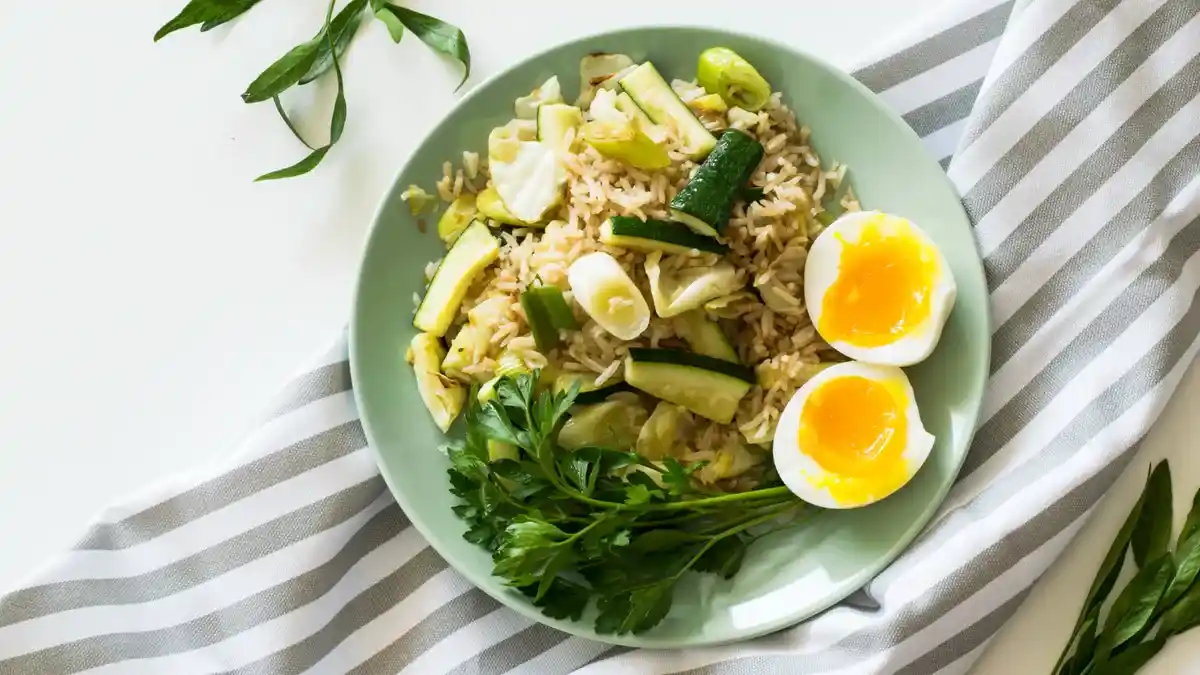
One-pan dinners work when the day is already full because they cut the number of separate jobs down to one tray or one skillet. The trade-off is that timing matters more. If one ingredient needs 8 minutes and another needs 25, the pan can turn into a mess unless you stage it carefully.
A practical one-pan dinner starts with the ingredient that needs the most time. For example, cauliflower florets usually need longer than zucchini, while a salmon fillet usually needs less time than both. If you are using salmon, cauliflower, and zucchini together, put the cauliflower in the oven first, then add the salmon and zucchini partway through so nothing overcooks. The exact timing depends on the cut size and oven temperature, but a 400°F oven is a common starting point.
For a turkey tray dinner, shape the turkey into patties or small meatballs rather than loose crumbles. A formed piece cooks more evenly on a sheet pan and is easier to verify visually. The inside should no longer look raw, and the outside should be firm. If the patties spread too much, the mix may be too wet or too warm.
A one-pan dinner works best when the seasoning is simple. Salt and a tolerated herb are enough for many readers. Heavy marinades are where low-histamine dinners often go wrong, because they can introduce ingredients that are not part of the diet or make the meal too dependent on a sauce. A short ingredient list is not a downgrade; it is what makes the meal manageable after work.
One honest drawback: sheet-pan dinners can feel repetitive if every night looks identical. That is where changing the starch helps. Rice one night, cauliflower another, and zucchini in both keeps the routine from feeling stuck without adding complexity. For more dinner planning ideas, a related page on low-histamine meal planning can help keep the pattern workable.
Fresh protein dinners that stay plain
Fresh protein dinners are the backbone of this style of eating because they are easier to control than deli meat, leftovers, or heavily processed convenience food. “Fresh” here means the protein is cooked soon after purchase and not left in the refrigerator for days before serving. That matters because storage time can change how a food feels for some people, even if the food still looks fine.
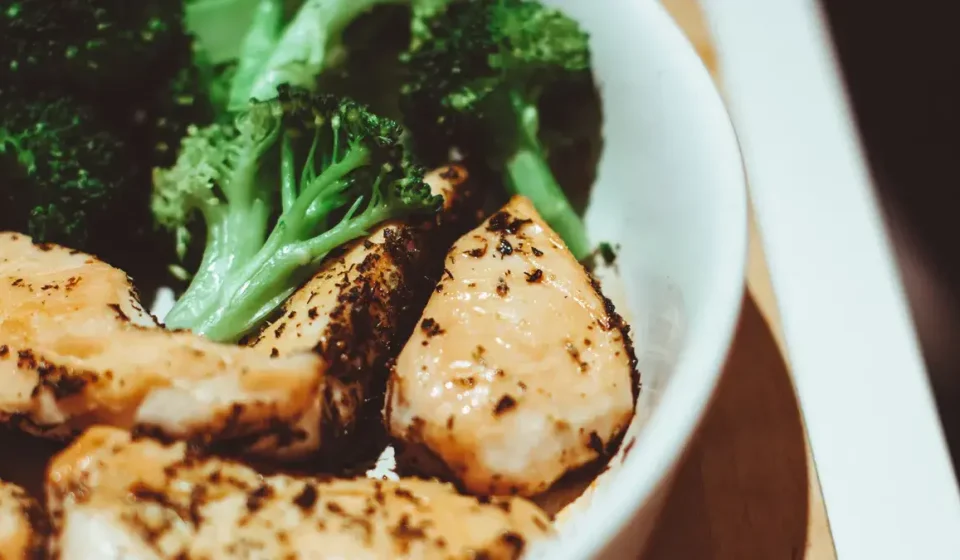
Salmon is a useful option when it is bought fresh and cooked simply. A 6-ounce fillet is a common dinner portion, though the right amount depends on appetite and the rest of the plate. The fish can be baked, pan-seared, or roasted with only salt and oil if that fits the reader’s tolerance. The key check is texture: it should be opaque and flake cleanly, not soft in the middle or dry at the edges.
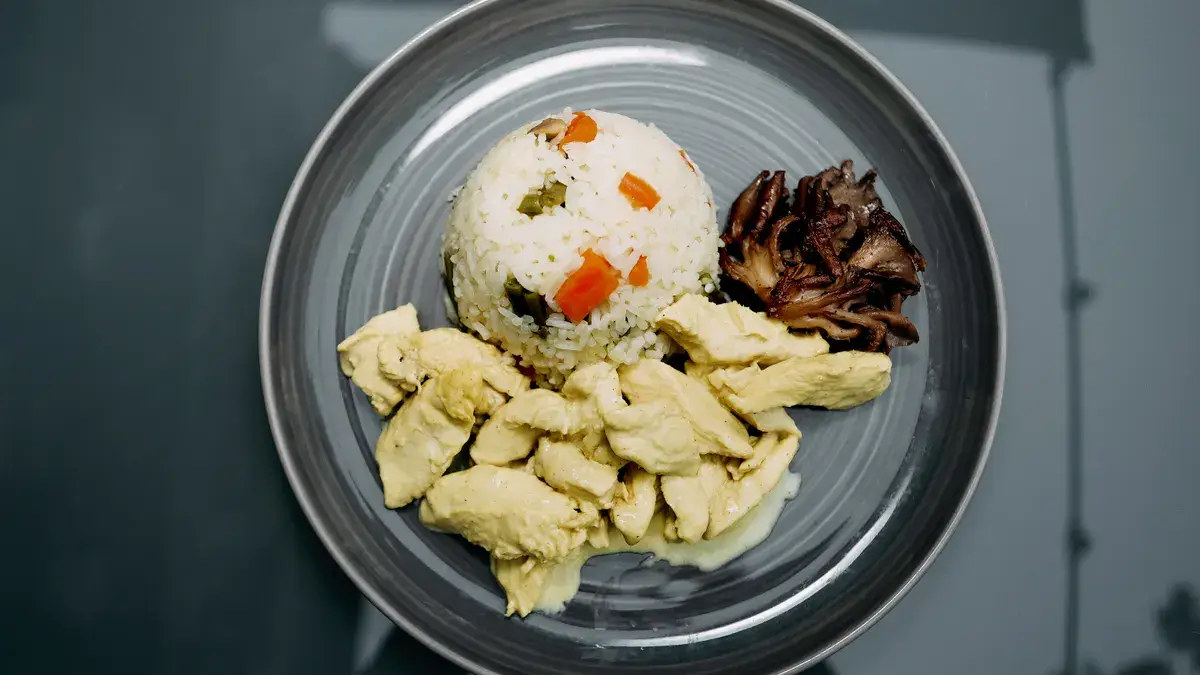
Turkey is another dependable dinner protein because it can be shaped into patties, loose skillet meat, or meatballs. Ground turkey is especially useful on nights when the reader wants something that feels like a full meal without a long ingredient list. The downside is that it can dry out fast, so a small amount of oil and moderate heat help. If the pan is smoking, the heat is too high and the edges will toughen before the middle is done.
A fresh protein dinner should not rely on bottled sauce, soy-heavy seasoning, or long-marinated meat. Those are common places where a low-histamine meal gets derailed. A reader who wants more flavor can add a tolerated herb near the end or serve the protein with a simple vegetable side. That keeps the plate interesting without turning dinner into a chemistry experiment. For a related overview of protein-first plates, see the low-histamine meal planning hub.
Vegetable sides that do not take over the meal
The best vegetable sides for this dinner pattern are often mild, quick, and easy to recognize on the plate. Zucchini and cauliflower fit that job well because they cook fast and do not dominate the whole meal. A vegetable side should support dinner, not become the part that takes the most attention.
Zucchini works because it is fast and forgiving. It can be sliced into half-moons, roasted, sautéed, or steamed until just tender. A good target is pieces about 1/4 inch thick if you want them to cook evenly in a skillet. If the slices are too thin, they collapse; if they are too thick, the center stays firm while the outside turns soft. The right result is tender with a little bite left.
Cauliflower is useful when the meal needs bulk without a strong flavor. It can be roasted in florets or steamed and mashed. For roasting, small florets around 1 to 1½ inches usually cook more evenly than very large pieces. For mashing, the cauliflower needs enough time to become very soft; undercooked cauliflower leaves a grainy texture that can make dinner feel unfinished.
A simple vegetable side should stay away from vinegar dressings, aged cheese, or pre-made seasoning blends that are hard to audit. That is not because vegetables are the problem. It is because the extras often are. A low-histamine dinner is easier to manage when the side dish is just a vegetable, oil, salt, and a tolerated herb.
For readers who need a family meal, vegetable sides also help dilute the “special diet” feeling. A pan of roasted cauliflower and zucchini looks like dinner, not a medical workaround. That matters at a table where some people may not be following the same rules.
When should I not use the standard low-histamine dinner formula?
The standard formula does not fit every night, and it is better to step away from it than to force a meal that is likely to backfire. In this context, “backfire” usually means the meal becomes too hard to tolerate, too hard to prepare, or too dependent on risky ingredients. If symptoms are severe or changing quickly, a clinician should guide the broader diet plan.
Fresh fish is not available: fish that has sat too long can be a poor fit for a low-histamine pattern — choose another fresh protein such as turkey instead of stretching the fish past its best window.
Leftovers have already been stored for multiple days: repeated storage can be harder for some people to tolerate — cook a smaller amount or plan a fresh dinner, rather than assuming a reheated meal will behave the same way.
The only vegetables on hand are ones you know are troublesome: dinner should not become a test of tolerance — swap in zucchini or cauliflower, which are more neutral for many readers.
The meal needs a long sauce or marinade to taste edible: that is a sign the recipe is too complicated for this diet — simplify to oil, salt, and a tolerated herb.
Symptoms are worsening or confusing: the diet is no longer the whole answer — get individualized guidance from a qualified professional instead of tightening the menu on your own.
Family members require a completely different meal pattern: forcing one pan to satisfy everyone can lead to compromises that make the low-histamine plate unreliable — build a shared base such as rice, then separate the toppings.
These are not moral failures. They are signs that the standard dinner template needs a different plan. The wrong meal at the wrong time can create more stress than skipping the template entirely.
Common mistakes that make dinner harder than it needs to be
The most common mistake is using ingredients that sound healthy but are not easy to fit into a low-histamine dinner. A tomato-heavy sauce, vinegar-based dressing, or soy-heavy glaze can turn a simple salmon or turkey plate into something more likely to cause trouble for some people. The better alternative is a plain base and a small, known seasoning set.
A second mistake is overcomplicating the plate with too many components. Four vegetables, one protein, and a starch may look balanced on paper, but it can become difficult to track what helped and what hurt. The correct alternative is a short list: one protein, one starch, one or two vegetables.
A third mistake is making too much food because batch cooking feels efficient. For this diet, large batches can be tricky if the same meal has to sit in the refrigerator for days. The alternative is smaller batches or a plan to portion and freeze promptly if that fits the reader’s broader guidance from a professional.
A fourth mistake is assuming every low-histamine dinner must taste bland. That leads people to abandon the pattern. Better flavor usually comes from texture, browning, and salt, not from adding more ingredients. A roasted zucchini edge or a well-browned turkey patty often does more than another sauce.
A fifth mistake is using “safe” ingredients that are not actually safe for the individual reader. Histamine tolerance is not one-size-fits-all. If salmon works for one person but not another, the right move is not to force salmon back into the menu; it is to adjust to a protein that fits better.
How to make family dinners work without cooking twice
Family dinners can work on a low-histamine pattern if the base meal is neutral and the extras stay separate. Rice is one of the easiest starting points because it gives the table a familiar starch without demanding much from the cook. Turkey, salmon, zucchini, and cauliflower can all sit alongside that base without making the whole meal feel specialized.
The simplest strategy is to build one shared dinner and keep the high-risk extras off to the side. For example, a pan of turkey patties, a pot of rice, and roasted zucchini can feed the household without forcing everyone to eat the same condiments. People who want more seasoning can add it to their own plate if it fits their needs.
This approach also reduces the odds that the low-histamine plate gets lost in a busy kitchen. When the protein and vegetables are already separated, it is easier to serve the restricted meal before the rest of the table starts reaching for sauces and side dishes. Timing matters here, because a simple dinner can become complicated fast if it waits under heat for too long.
The limitation is obvious: family meals are easier when the whole household is willing to accept a simpler plate. If that is not realistic, use the shared starch and protein as the common base, then let the rest of the table finish their own dishes separately. A second related page on family-friendly low-histamine dinners can help with that setup.
Drafted with AI; not yet reviewed by a person.